Buy mobility-workspace.eu ?
We are moving the project
mobility-workspace.eu .
Are you interested in purchasing the domain
mobility-workspace.eu ?
domain@kv-gmbh.de · 0541-91531010
Buy mobility-workspace.eu ?
Can a person with no flexibility learn Judo?
Yes, a person with no flexibility can learn Judo. Judo training can actually help improve flexibility over time through stretching and conditioning exercises. While flexibility can be beneficial in Judo, it is not a requirement to start learning the martial art. With consistent practice and dedication, anyone can learn and excel in Judo regardless of their initial level of flexibility. **
Can economic efficiency and productivity develop mutually?
Yes, economic efficiency and productivity can develop mutually. When businesses and industries become more efficient in their operations, they can produce more output with the same amount of input, leading to increased productivity. Similarly, when productivity increases, it can drive economic efficiency by reducing waste and improving resource allocation. Therefore, as businesses and industries focus on improving efficiency and productivity, they can reinforce and support each other's development. **


Similar search terms for Learn
Top-Angebote
Products related to Learn:
-
Scholastic Learn The Alphabet & Numbers CollectionHelp your child learn the alphabet and numbers with this interactive bundle.This set contains:I SPY LettersI SPY NumbersScholastic Early Learners: Write-and-Repeat Alphabet PracticeScholastic Early Learners: Write-and-Repeat Number...44,99 $*Shipping: 0,00 $Secure redirect to the provider
-
Learn About: Animal Homes Value PackAnimals live in all sorts of amazing homes! These cozy places keep them safe and warm, are conveniently located near food and water, and provide a secure place for their little ones. Some animals build their homes high up in the trees, while others...22,99 $*Shipping: 0,00 $Secure redirect to the provider
-
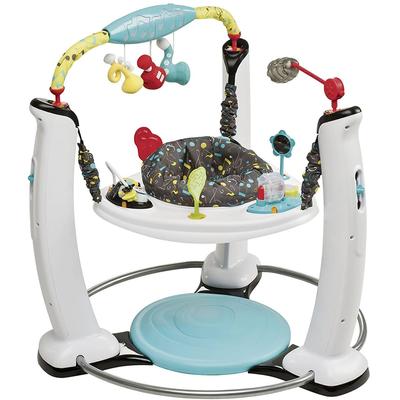
Evenflo Jump & Learn Stationary Jumper - Safari FriendsThe Evenflo ExerSaucer Jump & Learn stationary jumper offers parents a safe and stable environment for their children to jump, learn and play. A variety of age-appropriate toys were developed in conjunction with Child Development Institute to help...169,99 $*Shipping: 0,00 $Secure redirect to the provider
-
Evenflo Jump & Learn Stationary Jumper - Jam SessionThe Jam Session jumper offers parents a safe and stable environment for their children to jump, learn and play. A variety of age-appropriate toys were developed in conjunction with the Child Development Institute to help baby achieve important...199,99 $*Shipping: 0,00 $Secure redirect to the provider



-
What is the difference between efficiency and productivity?
Efficiency refers to how well resources are utilized to achieve a specific goal or output, while productivity measures the output or results generated from a specific amount of input or resources. Efficiency focuses on minimizing waste and maximizing output with the resources available, while productivity is a measure of how much output is produced relative to the input used. In essence, efficiency is about doing things right, while productivity is about doing the right things. **
-
What are the connections between efficiency and productivity?
Efficiency and productivity are closely connected in that efficiency refers to the ability to accomplish a task with minimal waste, effort, or cost, while productivity refers to the rate at which goods or services are produced. When a process or system is efficient, it can lead to increased productivity because it allows for more output to be generated with the same amount of input. Conversely, when productivity is high, it often indicates that the resources and processes are being used efficiently. Therefore, improving efficiency can lead to increased productivity, and vice versa, as they both contribute to the overall effectiveness of a business or organization. **
-
Does increasing productivity lead to higher economic efficiency?
Yes, increasing productivity can lead to higher economic efficiency. When a company or economy can produce more output with the same input of resources, it can lead to lower production costs and higher profits. This can also lead to lower prices for consumers, which can increase overall economic welfare. Additionally, higher productivity can lead to increased competitiveness in the global market, which can further contribute to economic efficiency. **
-
What is the difference between productivity, efficiency, and profitability?
Productivity refers to the amount of output produced per unit of input, such as time or resources. Efficiency, on the other hand, focuses on how well resources are used to achieve a specific goal or output. Profitability, meanwhile, is a measure of how efficiently a company generates profit relative to its costs and expenses. In essence, productivity is about output per input, efficiency is about resource utilization, and profitability is about the bottom line of a business. **


What is the relationship between productivity and economic efficiency?
Productivity and economic efficiency are closely related concepts. Productivity refers to the amount of output produced per unit of input, such as labor or capital. When productivity increases, more output is produced with the same amount of input, leading to greater economic efficiency. Economic efficiency, on the other hand, refers to the optimal allocation of resources to maximize output and minimize waste. Therefore, higher productivity often leads to greater economic efficiency as resources are used more effectively to produce goods and services. Conversely, lower productivity can lead to inefficiencies in resource allocation and reduced overall economic efficiency. **
How do profitability, productivity, and efficiency differ from each other?
Profitability refers to the ability of a company to generate profit, which is the difference between revenue and expenses. Productivity measures the output of goods or services produced per unit of input, such as labor or capital. Efficiency, on the other hand, focuses on how well resources are utilized to achieve a specific goal, often measured by the ratio of input to output. In summary, profitability is about generating profit, productivity is about output per input, and efficiency is about maximizing output with the resources available. **
Top-Angebote
Products related to Learn:
-
Learn About Animals Value PackWhether it is a group of wild mammals, birds, or even insects, there is a unique name to identify each specific animal group. Groups of bees, butterflies, rabbits, and dogs are the stars of this vibrant new set of LEARN ABOUT books that are packed...23,76 $*Shipping: 0,00 $Secure redirect to the provider
-
Learn About: Unexpected Animals Value PackThe natural world is filled with animals doing unexpected things! It is hard to believe, but orcas can talk, sloths can swim, some snakes can fly, and octopuses love to play. Each book in this vibrant new nonfiction series explores the unusual...22,99 $*Shipping: 0,00 $Secure redirect to the provider
-
Scholastic Learn The Alphabet & Numbers CollectionHelp your child learn the alphabet and numbers with this interactive bundle.This set contains:I SPY LettersI SPY NumbersScholastic Early Learners: Write-and-Repeat Alphabet PracticeScholastic Early Learners: Write-and-Repeat Number...44,99 $*Shipping: 0,00 $Secure redirect to the provider
-
Learn About: Animal Homes Value PackAnimals live in all sorts of amazing homes! These cozy places keep them safe and warm, are conveniently located near food and water, and provide a secure place for their little ones. Some animals build their homes high up in the trees, while others...22,99 $*Shipping: 0,00 $Secure redirect to the provider
-
Can a person with no flexibility learn Judo?
Yes, a person with no flexibility can learn Judo. Judo training can actually help improve flexibility over time through stretching and conditioning exercises. While flexibility can be beneficial in Judo, it is not a requirement to start learning the martial art. With consistent practice and dedication, anyone can learn and excel in Judo regardless of their initial level of flexibility. **
-
Can economic efficiency and productivity develop mutually?
Yes, economic efficiency and productivity can develop mutually. When businesses and industries become more efficient in their operations, they can produce more output with the same amount of input, leading to increased productivity. Similarly, when productivity increases, it can drive economic efficiency by reducing waste and improving resource allocation. Therefore, as businesses and industries focus on improving efficiency and productivity, they can reinforce and support each other's development. **
-
What is the difference between efficiency and productivity?
Efficiency refers to how well resources are utilized to achieve a specific goal or output, while productivity measures the output or results generated from a specific amount of input or resources. Efficiency focuses on minimizing waste and maximizing output with the resources available, while productivity is a measure of how much output is produced relative to the input used. In essence, efficiency is about doing things right, while productivity is about doing the right things. **
-
What are the connections between efficiency and productivity?
Efficiency and productivity are closely connected in that efficiency refers to the ability to accomplish a task with minimal waste, effort, or cost, while productivity refers to the rate at which goods or services are produced. When a process or system is efficient, it can lead to increased productivity because it allows for more output to be generated with the same amount of input. Conversely, when productivity is high, it often indicates that the resources and processes are being used efficiently. Therefore, improving efficiency can lead to increased productivity, and vice versa, as they both contribute to the overall effectiveness of a business or organization. **
Similar search terms for Learn
-
Evenflo Jump & Learn Stationary Jumper - Safari FriendsThe Evenflo ExerSaucer Jump & Learn stationary jumper offers parents a safe and stable environment for their children to jump, learn and play. A variety of age-appropriate toys were developed in conjunction with Child Development Institute to help...169,99 $*Shipping: 0,00 $Secure redirect to the provider
-
Evenflo Jump & Learn Stationary Jumper - Jam SessionThe Jam Session jumper offers parents a safe and stable environment for their children to jump, learn and play. A variety of age-appropriate toys were developed in conjunction with the Child Development Institute to help baby achieve important...199,99 $*Shipping: 0,00 $Secure redirect to the provider
-
Learn About: Just Discovered Animals Value PackDid you know scientists discover thousands of new species every year? Some are even named after things in popular culture like the Wakanda fish (Black Panther) and the Salazar's pit viper (Harry Potter). This vibrant new set of Learn About books...23,76 $*Shipping: 0,00 $Secure redirect to the provider
-
Little Shepherd Read and Learn Value PackLittle Shepherd Read and Learn Books: Biblically-based stories for children and parents to read, discuss, and grow in faith together.This set includes:Read and Learn: All About Jesus Sticker & Activity BookRead and Learn: Favorite Bible Stories...26,99 $*Shipping: 0,00 $Secure redirect to the provider
-
Does increasing productivity lead to higher economic efficiency?
Yes, increasing productivity can lead to higher economic efficiency. When a company or economy can produce more output with the same input of resources, it can lead to lower production costs and higher profits. This can also lead to lower prices for consumers, which can increase overall economic welfare. Additionally, higher productivity can lead to increased competitiveness in the global market, which can further contribute to economic efficiency. **
-
What is the difference between productivity, efficiency, and profitability?
Productivity refers to the amount of output produced per unit of input, such as time or resources. Efficiency, on the other hand, focuses on how well resources are used to achieve a specific goal or output. Profitability, meanwhile, is a measure of how efficiently a company generates profit relative to its costs and expenses. In essence, productivity is about output per input, efficiency is about resource utilization, and profitability is about the bottom line of a business. **
-
What is the relationship between productivity and economic efficiency?
Productivity and economic efficiency are closely related concepts. Productivity refers to the amount of output produced per unit of input, such as labor or capital. When productivity increases, more output is produced with the same amount of input, leading to greater economic efficiency. Economic efficiency, on the other hand, refers to the optimal allocation of resources to maximize output and minimize waste. Therefore, higher productivity often leads to greater economic efficiency as resources are used more effectively to produce goods and services. Conversely, lower productivity can lead to inefficiencies in resource allocation and reduced overall economic efficiency. **
-
How do profitability, productivity, and efficiency differ from each other?
Profitability refers to the ability of a company to generate profit, which is the difference between revenue and expenses. Productivity measures the output of goods or services produced per unit of input, such as labor or capital. Efficiency, on the other hand, focuses on how well resources are utilized to achieve a specific goal, often measured by the ratio of input to output. In summary, profitability is about generating profit, productivity is about output per input, and efficiency is about maximizing output with the resources available. **
* All prices are inclusive of VAT and, if applicable, plus shipping costs. The offer information is based on the details provided by the respective shop and is updated through automated processes. Real-time updates do not occur, so deviations can occur in individual cases. ** Note: Parts of this content were created by AI.