Buy mobility-workspace.eu ?
We are moving the project
mobility-workspace.eu .
Are you interested in purchasing the domain
mobility-workspace.eu ?
domain@kv-gmbh.de · 0541-91531010
Buy mobility-workspace.eu ?
Summer tires, winter tires, or all-season tires?
The choice between summer tires, winter tires, or all-season tires depends on the climate and driving conditions in your area. Summer tires are designed for warm weather and provide excellent traction on dry roads. Winter tires are ideal for cold temperatures, snow, and ice, offering superior grip in these conditions. All-season tires are a versatile option that can handle a variety of road conditions, but they may not perform as well as specialized tires in extreme weather. Consider your local climate and driving habits to determine which type of tire is best for you. **
What are drift tires, colored tires, and smoke tires?
Drift tires are specialized tires designed for drifting, a motorsport where drivers intentionally oversteer and slide their cars through corners. These tires have a specific tread pattern and rubber compound to provide the necessary grip and slip for controlled drifting. Colored tires are simply tires that have been dyed or painted in various colors for aesthetic purposes. Smoke tires, on the other hand, are tires that produce colored smoke when they are spun or burned out, often used for visual effects in car shows or performances. **
Similar search terms for Tires
Top-Angebote
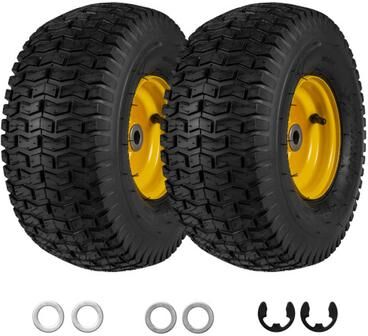
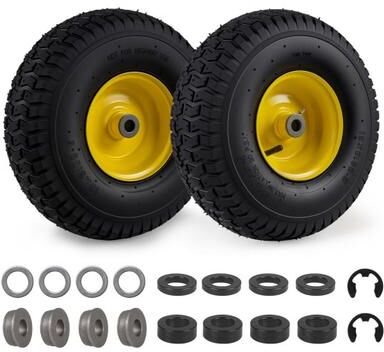
Products related to Tires:
-
WonderFold All Terrian XL Wheels with PU TiresThese wheels will ensure a smooth and safe ride wherever your journey takes you. *These wheels are compatible with all W4 stroller wagons, W2 Luxe and Elite stroller wagons, and M1 stroller wagons.Features EXTRA LARGE These wheels easily traverse...169,00 $*Shipping: 0,00 $Secure redirect to the provider



-
What types of tires are there: winter tires, summer tires, or all-season tires?
There are three main types of tires: winter tires, summer tires, and all-season tires. Winter tires are designed to provide better traction and handling in cold and snowy conditions. Summer tires are optimized for warm weather and provide good performance on dry and wet roads. All-season tires are designed to provide a balance of performance in various weather conditions, making them suitable for year-round use in many regions. Each type of tire has specific tread patterns and rubber compounds to best suit the conditions they are designed for. **
-
Can economic efficiency and productivity develop mutually?
Yes, economic efficiency and productivity can develop mutually. When businesses and industries become more efficient in their operations, they can produce more output with the same amount of input, leading to increased productivity. Similarly, when productivity increases, it can drive economic efficiency by reducing waste and improving resource allocation. Therefore, as businesses and industries focus on improving efficiency and productivity, they can reinforce and support each other's development. **
-
Which tires are better suited, winter and summer tires or all-season tires?
Winter and summer tires are better suited for specific weather conditions. Winter tires are designed to provide better traction and handling in snow and ice, while summer tires are optimized for warm and dry conditions. On the other hand, all-season tires are designed to provide adequate performance in a variety of weather conditions, making them a convenient option for drivers who do not want to switch tires seasonally. Ultimately, the best choice depends on the climate and driving conditions in your area, as well as your driving habits and preferences. **
-
What is the difference between efficiency and productivity?
Efficiency refers to how well resources are utilized to achieve a specific goal or output, while productivity measures the output or results generated from a specific amount of input or resources. Efficiency focuses on minimizing waste and maximizing output with the resources available, while productivity is a measure of how much output is produced relative to the input used. In essence, efficiency is about doing things right, while productivity is about doing the right things. **
What are the connections between efficiency and productivity?
Efficiency and productivity are closely connected in that efficiency refers to the ability to accomplish a task with minimal waste, effort, or cost, while productivity refers to the rate at which goods or services are produced. When a process or system is efficient, it can lead to increased productivity because it allows for more output to be generated with the same amount of input. Conversely, when productivity is high, it often indicates that the resources and processes are being used efficiently. Therefore, improving efficiency can lead to increased productivity, and vice versa, as they both contribute to the overall effectiveness of a business or organization. **
Does increasing productivity lead to higher economic efficiency?
Yes, increasing productivity can lead to higher economic efficiency. When a company or economy can produce more output with the same input of resources, it can lead to lower production costs and higher profits. This can also lead to lower prices for consumers, which can increase overall economic welfare. Additionally, higher productivity can lead to increased competitiveness in the global market, which can further contribute to economic efficiency. **
Top-Angebote
Products related to Tires:
-
WonderFold All Terrian XL Wheels with PU TiresThese wheels will ensure a smooth and safe ride wherever your journey takes you. *These wheels are compatible with all W4 stroller wagons, W2 Luxe and Elite stroller wagons, and M1 stroller wagons.Features EXTRA LARGE These wheels easily traverse...169,00 $*Shipping: 0,00 $Secure redirect to the provider
-
Summer tires, winter tires, or all-season tires?
The choice between summer tires, winter tires, or all-season tires depends on the climate and driving conditions in your area. Summer tires are designed for warm weather and provide excellent traction on dry roads. Winter tires are ideal for cold temperatures, snow, and ice, offering superior grip in these conditions. All-season tires are a versatile option that can handle a variety of road conditions, but they may not perform as well as specialized tires in extreme weather. Consider your local climate and driving habits to determine which type of tire is best for you. **
-
What are drift tires, colored tires, and smoke tires?
Drift tires are specialized tires designed for drifting, a motorsport where drivers intentionally oversteer and slide their cars through corners. These tires have a specific tread pattern and rubber compound to provide the necessary grip and slip for controlled drifting. Colored tires are simply tires that have been dyed or painted in various colors for aesthetic purposes. Smoke tires, on the other hand, are tires that produce colored smoke when they are spun or burned out, often used for visual effects in car shows or performances. **
-
What types of tires are there: winter tires, summer tires, or all-season tires?
There are three main types of tires: winter tires, summer tires, and all-season tires. Winter tires are designed to provide better traction and handling in cold and snowy conditions. Summer tires are optimized for warm weather and provide good performance on dry and wet roads. All-season tires are designed to provide a balance of performance in various weather conditions, making them suitable for year-round use in many regions. Each type of tire has specific tread patterns and rubber compounds to best suit the conditions they are designed for. **
-
Can economic efficiency and productivity develop mutually?
Yes, economic efficiency and productivity can develop mutually. When businesses and industries become more efficient in their operations, they can produce more output with the same amount of input, leading to increased productivity. Similarly, when productivity increases, it can drive economic efficiency by reducing waste and improving resource allocation. Therefore, as businesses and industries focus on improving efficiency and productivity, they can reinforce and support each other's development. **
Similar search terms for Tires
-
Which tires are better suited, winter and summer tires or all-season tires?
Winter and summer tires are better suited for specific weather conditions. Winter tires are designed to provide better traction and handling in snow and ice, while summer tires are optimized for warm and dry conditions. On the other hand, all-season tires are designed to provide adequate performance in a variety of weather conditions, making them a convenient option for drivers who do not want to switch tires seasonally. Ultimately, the best choice depends on the climate and driving conditions in your area, as well as your driving habits and preferences. **
-
What is the difference between efficiency and productivity?
Efficiency refers to how well resources are utilized to achieve a specific goal or output, while productivity measures the output or results generated from a specific amount of input or resources. Efficiency focuses on minimizing waste and maximizing output with the resources available, while productivity is a measure of how much output is produced relative to the input used. In essence, efficiency is about doing things right, while productivity is about doing the right things. **
-
What are the connections between efficiency and productivity?
Efficiency and productivity are closely connected in that efficiency refers to the ability to accomplish a task with minimal waste, effort, or cost, while productivity refers to the rate at which goods or services are produced. When a process or system is efficient, it can lead to increased productivity because it allows for more output to be generated with the same amount of input. Conversely, when productivity is high, it often indicates that the resources and processes are being used efficiently. Therefore, improving efficiency can lead to increased productivity, and vice versa, as they both contribute to the overall effectiveness of a business or organization. **
-
Does increasing productivity lead to higher economic efficiency?
Yes, increasing productivity can lead to higher economic efficiency. When a company or economy can produce more output with the same input of resources, it can lead to lower production costs and higher profits. This can also lead to lower prices for consumers, which can increase overall economic welfare. Additionally, higher productivity can lead to increased competitiveness in the global market, which can further contribute to economic efficiency. **
* All prices are inclusive of VAT and, if applicable, plus shipping costs. The offer information is based on the details provided by the respective shop and is updated through automated processes. Real-time updates do not occur, so deviations can occur in individual cases. ** Note: Parts of this content were created by AI.