Buy mobility-workspace.eu ?
We are moving the project
mobility-workspace.eu .
Are you interested in purchasing the domain
mobility-workspace.eu ?
domain@kv-gmbh.de · 0541-91531010
Buy mobility-workspace.eu ?
Can economic efficiency and productivity develop mutually?
Yes, economic efficiency and productivity can develop mutually. When businesses and industries become more efficient in their operations, they can produce more output with the same amount of input, leading to increased productivity. Similarly, when productivity increases, it can drive economic efficiency by reducing waste and improving resource allocation. Therefore, as businesses and industries focus on improving efficiency and productivity, they can reinforce and support each other's development. **
What is the difference between efficiency and productivity?
Efficiency refers to how well resources are utilized to achieve a specific goal or output, while productivity measures the output or results generated from a specific amount of input or resources. Efficiency focuses on minimizing waste and maximizing output with the resources available, while productivity is a measure of how much output is produced relative to the input used. In essence, efficiency is about doing things right, while productivity is about doing the right things. **


Similar search terms for TV
Top-Angebote
Products related to TV:
-
17 Stories Kyeisha TV Cabinet TV Stand Media Cabinet TV Unit Sideboard Engineered Wood Artisan Oak 70"This trendy TV cabinet, featuring a sleek and stylish design, is meant to be a decorative as well as practical addition to your room decor. 17 Stories Colour: Artisan Oak115,99 £*Shipping: 0,00 £Secure redirect to the provider
-
17 Stories Kyeisha TV Cabinet TV Stand Media Cabinet TV Unit Sideboard Engineered Wood Old Wood 70"This trendy TV cabinet, featuring a sleek and stylish design, is meant to be a decorative as well as practical addition to your room decor. 17 Stories Colour: Old Wood129,99 £*Shipping: 0,00 £Secure redirect to the provider
-
17 Stories Kyeisha TV Cabinet TV Stand Media Cabinet TV Unit Sideboard Engineered Wood Smoked Oak 70"This trendy TV cabinet, featuring a sleek and stylish design, is meant to be a decorative as well as practical addition to your room decor. 17 Stories Colour: Smoked Oak112,99 £*Shipping: 0,00 £Secure redirect to the provider
-
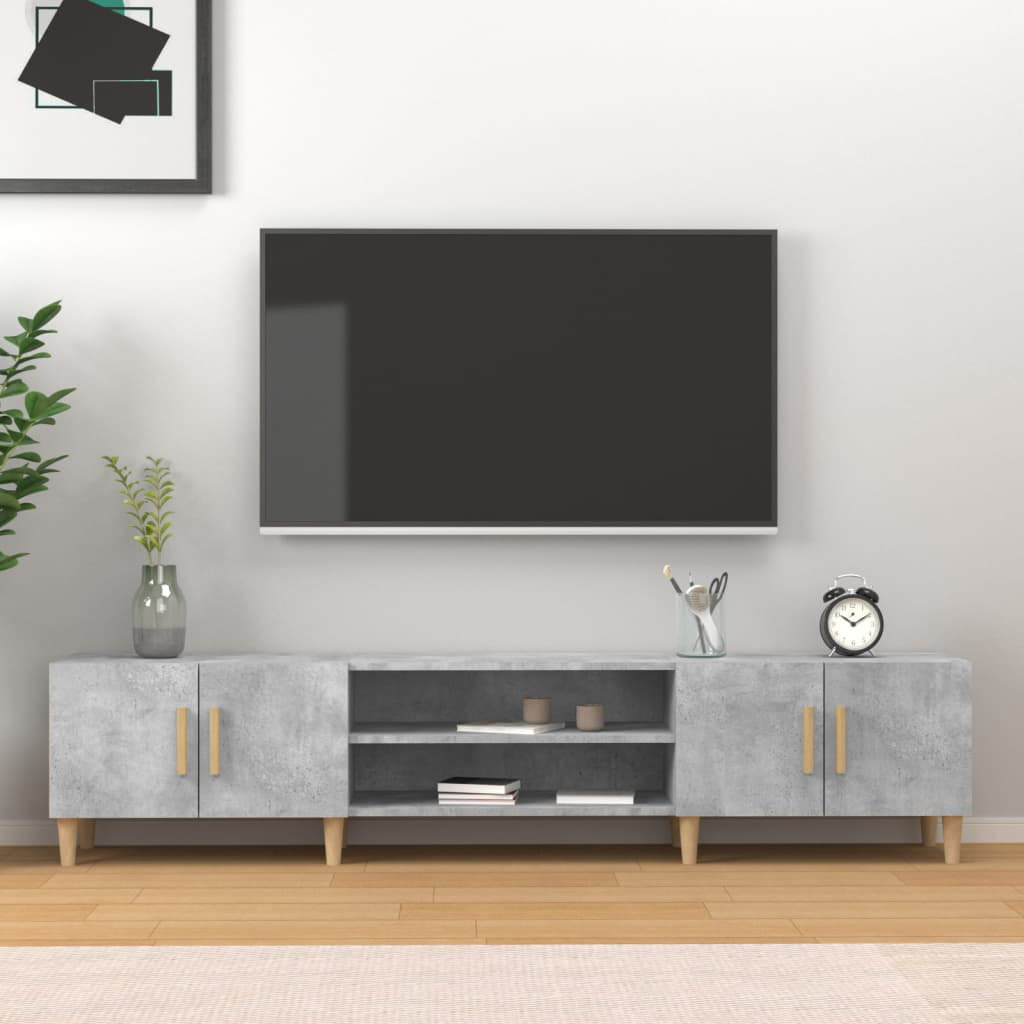
17 Stories Kyeisha TV Cabinet TV Stand Media Cabinet TV Unit Sideboard Engineered Wood Concrete Grey 70"This trendy TV cabinet, featuring a sleek and stylish design, is meant to be a decorative as well as practical addition to your room decor. 17 Stories Colour: Concrete Grey114,99 £*Shipping: 0,00 £Secure redirect to the provider



-
What are the connections between efficiency and productivity?
Efficiency and productivity are closely connected in that efficiency refers to the ability to accomplish a task with minimal waste, effort, or cost, while productivity refers to the rate at which goods or services are produced. When a process or system is efficient, it can lead to increased productivity because it allows for more output to be generated with the same amount of input. Conversely, when productivity is high, it often indicates that the resources and processes are being used efficiently. Therefore, improving efficiency can lead to increased productivity, and vice versa, as they both contribute to the overall effectiveness of a business or organization. **
-
Does increasing productivity lead to higher economic efficiency?
Yes, increasing productivity can lead to higher economic efficiency. When a company or economy can produce more output with the same input of resources, it can lead to lower production costs and higher profits. This can also lead to lower prices for consumers, which can increase overall economic welfare. Additionally, higher productivity can lead to increased competitiveness in the global market, which can further contribute to economic efficiency. **
-
What are the energy efficiency classes of TV sets?
TV sets are classified into different energy efficiency classes based on their energy consumption. The classes range from A+++ (most efficient) to D (least efficient). The energy efficiency label helps consumers make informed decisions by providing information on the energy consumption of the TV set. Choosing a TV set with a higher energy efficiency class can help reduce electricity bills and minimize environmental impact. **
-
What is the difference between productivity, efficiency, and profitability?
Productivity refers to the amount of output produced per unit of input, such as time or resources. Efficiency, on the other hand, focuses on how well resources are used to achieve a specific goal or output. Profitability, meanwhile, is a measure of how efficiently a company generates profit relative to its costs and expenses. In essence, productivity is about output per input, efficiency is about resource utilization, and profitability is about the bottom line of a business. **

What is the relationship between productivity and economic efficiency?
Productivity and economic efficiency are closely related concepts. Productivity refers to the amount of output produced per unit of input, such as labor or capital. When productivity increases, more output is produced with the same amount of input, leading to greater economic efficiency. Economic efficiency, on the other hand, refers to the optimal allocation of resources to maximize output and minimize waste. Therefore, higher productivity often leads to greater economic efficiency as resources are used more effectively to produce goods and services. Conversely, lower productivity can lead to inefficiencies in resource allocation and reduced overall economic efficiency. **
How do profitability, productivity, and efficiency differ from each other?
Profitability refers to the ability of a company to generate profit, which is the difference between revenue and expenses. Productivity measures the output of goods or services produced per unit of input, such as labor or capital. Efficiency, on the other hand, focuses on how well resources are utilized to achieve a specific goal, often measured by the ratio of input to output. In summary, profitability is about generating profit, productivity is about output per input, and efficiency is about maximizing output with the resources available. **
Top-Angebote
Products related to TV:
-
Multicon Wholesale Hub Shin Splint Relief Strap, Adjustable Weight, Enhance Calf Strength, Flexibility & Mobility Shin Splint Relief Strap, Adjustable Weight, Enhance Calf Strength, Flexibility & MobilityShin splints can be debilitating, making it difficult to maintain an active lifestyle. Our 1pcs Shin Splint Relief Strap is designed to provide targeted relief, enhance calf strength, and improve flexibility & mobility. Whether youre recovering from...45,97 $*Shipping: 0,00 $Secure redirect to the provider
-
17 Stories Kyeisha TV Cabinet TV Stand Media Cabinet TV Unit Sideboard Engineered Wood White 70"This trendy TV cabinet, featuring a sleek and stylish design, is meant to be a decorative as well as practical addition to your room decor. 17 Stories Colour: White109,99 £*Shipping: 0,00 £Secure redirect to the provider
-
17 Stories Kyeisha TV Cabinet TV Stand Media Cabinet TV Unit Sideboard Engineered Wood Artisan Oak 70"This trendy TV cabinet, featuring a sleek and stylish design, is meant to be a decorative as well as practical addition to your room decor. 17 Stories Colour: Artisan Oak115,99 £*Shipping: 0,00 £Secure redirect to the provider
-
17 Stories Kyeisha TV Cabinet TV Stand Media Cabinet TV Unit Sideboard Engineered Wood Old Wood 70"This trendy TV cabinet, featuring a sleek and stylish design, is meant to be a decorative as well as practical addition to your room decor. 17 Stories Colour: Old Wood129,99 £*Shipping: 0,00 £Secure redirect to the provider
-
Can economic efficiency and productivity develop mutually?
Yes, economic efficiency and productivity can develop mutually. When businesses and industries become more efficient in their operations, they can produce more output with the same amount of input, leading to increased productivity. Similarly, when productivity increases, it can drive economic efficiency by reducing waste and improving resource allocation. Therefore, as businesses and industries focus on improving efficiency and productivity, they can reinforce and support each other's development. **
-
What is the difference between efficiency and productivity?
Efficiency refers to how well resources are utilized to achieve a specific goal or output, while productivity measures the output or results generated from a specific amount of input or resources. Efficiency focuses on minimizing waste and maximizing output with the resources available, while productivity is a measure of how much output is produced relative to the input used. In essence, efficiency is about doing things right, while productivity is about doing the right things. **
-
What are the connections between efficiency and productivity?
Efficiency and productivity are closely connected in that efficiency refers to the ability to accomplish a task with minimal waste, effort, or cost, while productivity refers to the rate at which goods or services are produced. When a process or system is efficient, it can lead to increased productivity because it allows for more output to be generated with the same amount of input. Conversely, when productivity is high, it often indicates that the resources and processes are being used efficiently. Therefore, improving efficiency can lead to increased productivity, and vice versa, as they both contribute to the overall effectiveness of a business or organization. **
-
Does increasing productivity lead to higher economic efficiency?
Yes, increasing productivity can lead to higher economic efficiency. When a company or economy can produce more output with the same input of resources, it can lead to lower production costs and higher profits. This can also lead to lower prices for consumers, which can increase overall economic welfare. Additionally, higher productivity can lead to increased competitiveness in the global market, which can further contribute to economic efficiency. **
Similar search terms for TV
-
17 Stories Kyeisha TV Cabinet TV Stand Media Cabinet TV Unit Sideboard Engineered Wood Smoked Oak 70"This trendy TV cabinet, featuring a sleek and stylish design, is meant to be a decorative as well as practical addition to your room decor. 17 Stories Colour: Smoked Oak112,99 £*Shipping: 0,00 £Secure redirect to the provider
-
17 Stories Kyeisha TV Cabinet TV Stand Media Cabinet TV Unit Sideboard Engineered Wood Concrete Grey 70"This trendy TV cabinet, featuring a sleek and stylish design, is meant to be a decorative as well as practical addition to your room decor. 17 Stories Colour: Concrete Grey114,99 £*Shipping: 0,00 £Secure redirect to the provider
-
17 Stories Kyeisha TV Cabinet TV Stand Media Cabinet TV Unit Sideboard Engineered Wood Sonoma Oak 70"This trendy TV cabinet, featuring a sleek and stylish design, is meant to be a decorative as well as practical addition to your room decor. 17 Stories Colour: Sonoma Oak113,99 £*Shipping: 0,00 £Secure redirect to the provider
-
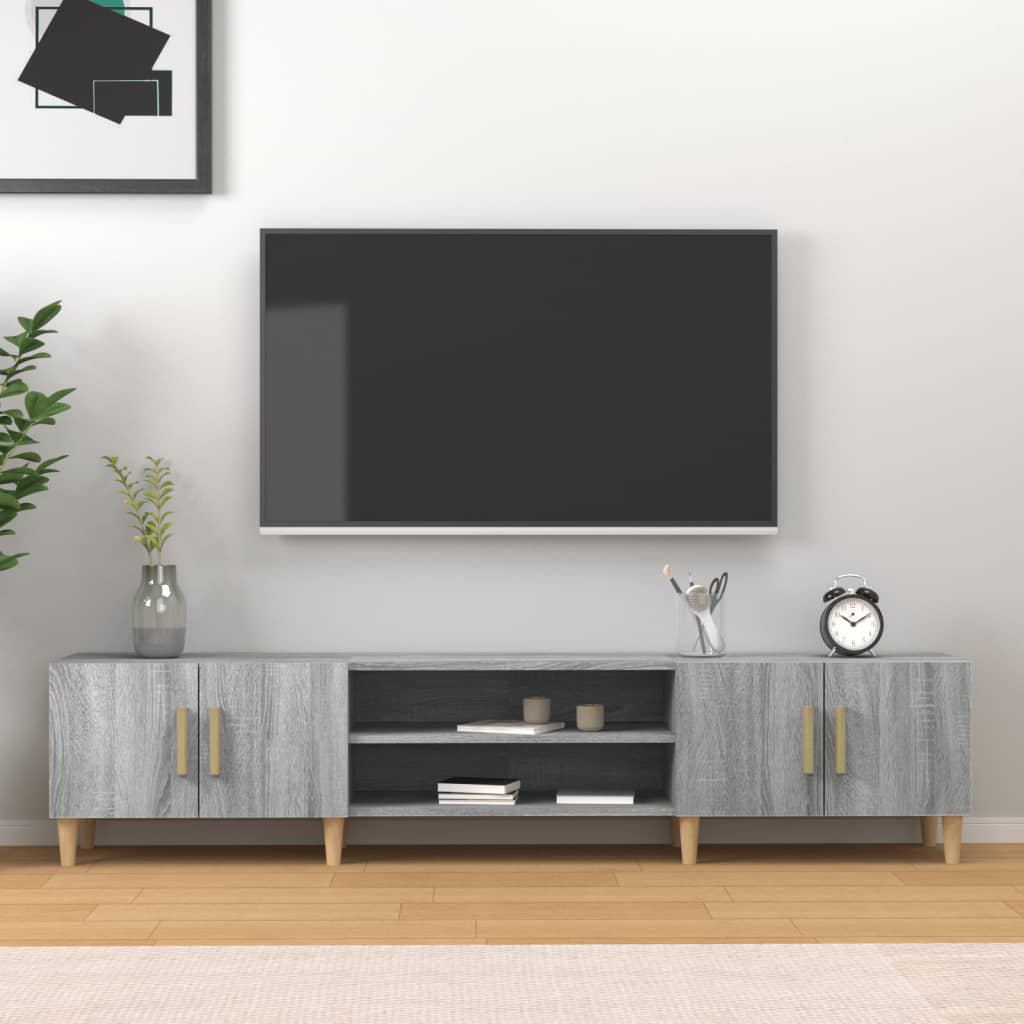
17 Stories Kyeisha TV Cabinet TV Stand Media Cabinet TV Unit Sideboard Engineered Wood Sonoma Grey 70"This trendy TV cabinet, featuring a sleek and stylish design, is meant to be a decorative as well as practical addition to your room decor. 17 Stories Colour: Sonoma Grey116,99 £*Shipping: 0,00 £Secure redirect to the provider
-
What are the energy efficiency classes of TV sets?
TV sets are classified into different energy efficiency classes based on their energy consumption. The classes range from A+++ (most efficient) to D (least efficient). The energy efficiency label helps consumers make informed decisions by providing information on the energy consumption of the TV set. Choosing a TV set with a higher energy efficiency class can help reduce electricity bills and minimize environmental impact. **
-
What is the difference between productivity, efficiency, and profitability?
Productivity refers to the amount of output produced per unit of input, such as time or resources. Efficiency, on the other hand, focuses on how well resources are used to achieve a specific goal or output. Profitability, meanwhile, is a measure of how efficiently a company generates profit relative to its costs and expenses. In essence, productivity is about output per input, efficiency is about resource utilization, and profitability is about the bottom line of a business. **
-
What is the relationship between productivity and economic efficiency?
Productivity and economic efficiency are closely related concepts. Productivity refers to the amount of output produced per unit of input, such as labor or capital. When productivity increases, more output is produced with the same amount of input, leading to greater economic efficiency. Economic efficiency, on the other hand, refers to the optimal allocation of resources to maximize output and minimize waste. Therefore, higher productivity often leads to greater economic efficiency as resources are used more effectively to produce goods and services. Conversely, lower productivity can lead to inefficiencies in resource allocation and reduced overall economic efficiency. **
-
How do profitability, productivity, and efficiency differ from each other?
Profitability refers to the ability of a company to generate profit, which is the difference between revenue and expenses. Productivity measures the output of goods or services produced per unit of input, such as labor or capital. Efficiency, on the other hand, focuses on how well resources are utilized to achieve a specific goal, often measured by the ratio of input to output. In summary, profitability is about generating profit, productivity is about output per input, and efficiency is about maximizing output with the resources available. **
* All prices are inclusive of VAT and, if applicable, plus shipping costs. The offer information is based on the details provided by the respective shop and is updated through automated processes. Real-time updates do not occur, so deviations can occur in individual cases. ** Note: Parts of this content were created by AI.