Buy mobility-workspace.eu ?
We are moving the project
mobility-workspace.eu .
Are you interested in purchasing the domain
mobility-workspace.eu ?
domain@kv-gmbh.de · 0541-91531010
Buy mobility-workspace.eu ?
What are organizational professions?
Organizational professions refer to careers that involve working within a structured environment, such as corporations, government agencies, or non-profit organizations. These professions typically require individuals to possess strong organizational skills, the ability to work well within a team, and a good understanding of how to navigate complex systems and hierarchies. Examples of organizational professions include management, human resources, finance, and administration. **
What are organizational elements?
Organizational elements refer to the fundamental components that make up an organization's structure and functioning. These elements can include the organization's mission, vision, goals, policies, procedures, culture, leadership, communication channels, and decision-making processes. They are essential for creating a framework that guides the organization's operations and helps it achieve its objectives. By understanding and effectively managing these elements, organizations can improve their performance and adapt to changes in their environment. **


Similar search terms for Organizational
Top-Angebote
Products related to Organizational:
-
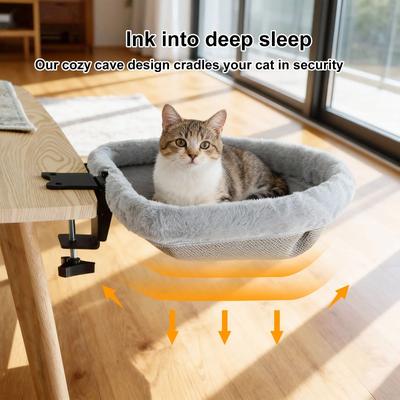
Uplifted Finds Workspace Pro Elite Desk Hammock Workspace Pro Elite Desk Hammock"Maximize your office productivity while keeping your feline companion at your side with the WorkspacePro Elite Desk Hammock. This premium ""sidecar"" perch is the ultimate solution for cats that insist on lounging on your keyboard or laptop. Featuring..."250,97 $*Shipping: 0,00 $Secure redirect to the provider
-
Uplift Essentials Armband Heart Rate Monitor With Bluetooth 5.0 And ANT+ Connectivity Armband Heart Rate Monitor With Bluetooth 5.0 And ANT+ ConnectivityTrain smarter and safer with this armband heart rate monitor featuring accurate optical HR tracking, calorie burn monitoring, and heart rate zone feedback. Designed for fitness enthusiasts, cyclists, and athletes, this device connects seamlessly to...126,97 $*Shipping: 0,00 $Secure redirect to the provider
-
HARPERCOLLINS Creative Confidence by Tom & David Kelley – Unleashing Your Creative Potential & Innovation MindsetA powerful and inspiring book from the founders of IDEO, the award-winning design firm, on unleashing the creativity that lies within each and every one of us. Too often, companies and individuals assume that creativity and innovation are the domain of the ‘creative types’. But two of the foremost experts in innovation, design and creativity on the planet show us that each and every one of us is creative. In an entertaining and inspiring narrative that draws on countless stories from their work at IDEO, and with many of the world's top companies and design firms, David and Tom Kelley identify the principles and strategies that will allow us to tap into our creative potential in our work lives, and in our personal lives, allow us to think outside the box in terms of how we approach and solve problems. ‘Creative Confidence’ is a book that will help each of us be more productive and successful in our lives and in our careers.4,95 £*Shipping: 1,99 £Secure redirect to the provider



-
What are organizational tasks?
Organizational tasks are the specific activities and responsibilities that individuals or teams within an organization are responsible for completing in order to achieve the organization's goals. These tasks can include things like project management, scheduling, budgeting, coordinating team efforts, and ensuring that resources are allocated effectively. Organizational tasks are essential for maintaining order and efficiency within a company, and they help to ensure that everyone is working towards the same objectives. **
-
What is the organizational chart?
An organizational chart is a visual representation of the structure of an organization, showing the relationships and hierarchy between different positions and departments. It typically includes boxes representing different roles or positions, connected by lines to show the reporting relationships and lines of authority. Organizational charts are used to help employees understand the chain of command, communication channels, and reporting structure within the organization. They can also be used to identify areas of overlap or gaps in responsibilities. **
-
Which professions require organizational skills?
Many professions require organizational skills, including project management, event planning, administrative roles, and executive positions. In project management, organizational skills are essential for keeping track of timelines, resources, and team members. Event planners need strong organizational skills to coordinate all the details of an event, from vendors to schedules. Administrative roles require organizational skills to manage calendars, documents, and communication. Executive positions also require strong organizational skills to oversee multiple aspects of a business or organization. **
-
What is an ISO organizational standard?
An ISO organizational standard is a set of guidelines and best practices developed by the International Organization for Standardization (ISO) to help organizations improve their processes, products, and services. These standards are designed to ensure consistency, efficiency, and quality across various industries and sectors. By adhering to ISO standards, organizations can demonstrate their commitment to meeting customer requirements, complying with regulations, and continuously improving their operations. ISO standards cover a wide range of areas, including quality management, environmental management, information security, and occupational health and safety. **


How can organizational levels be described?
Organizational levels can be described as the different layers or tiers within a company's structure, each with its own set of responsibilities and authority. These levels typically include top-level management, middle management, and front-line employees. Top-level management is responsible for making strategic decisions and setting the overall direction of the organization, while middle management oversees the implementation of these strategies and coordinates the activities of front-line employees. Front-line employees are responsible for carrying out the day-to-day tasks necessary to achieve the organization's goals. Each level has its own distinct role and contributes to the overall functioning of the organization. **
What are the organizational levels in plants?
Plants have three main organizational levels: cells, tissues, and organs. Cells are the basic building blocks of plants and are organized into tissues, which are groups of cells that work together to perform specific functions. Organs are structures made up of different types of tissues that work together to carry out specific functions, such as leaves for photosynthesis or roots for absorption of water and nutrients. These levels of organization allow plants to efficiently carry out essential processes for growth and survival. **
Top-Angebote
Products related to Organizational:
-
Uplifted Goods 360 Rotating 6 Claw Organizational Accessory Hub rose GoldEstablish a high level of closet efficiency with this High Performance Vertical Space Optimization Interface. Engineered with a Reinforced Polymeric Structural Shield and a specialized sixprong claw frame, this hanger is designed to provide a...29,97 $*Shipping: 0,00 $Secure redirect to the provider
-
Multicon Wholesale Hub Shin Splint Relief Strap, Adjustable Weight, Enhance Calf Strength, Flexibility & Mobility Shin Splint Relief Strap, Adjustable Weight, Enhance Calf Strength, Flexibility & MobilityShin splints can be debilitating, making it difficult to maintain an active lifestyle. Our 1pcs Shin Splint Relief Strap is designed to provide targeted relief, enhance calf strength, and improve flexibility & mobility. Whether youre recovering from...45,97 $*Shipping: 0,00 $Secure redirect to the provider
-
Uplifted Finds Workspace Pro Elite Desk Hammock Workspace Pro Elite Desk Hammock"Maximize your office productivity while keeping your feline companion at your side with the WorkspacePro Elite Desk Hammock. This premium ""sidecar"" perch is the ultimate solution for cats that insist on lounging on your keyboard or laptop. Featuring..."250,97 $*Shipping: 0,00 $Secure redirect to the provider
-
Uplift Essentials Armband Heart Rate Monitor With Bluetooth 5.0 And ANT+ Connectivity Armband Heart Rate Monitor With Bluetooth 5.0 And ANT+ ConnectivityTrain smarter and safer with this armband heart rate monitor featuring accurate optical HR tracking, calorie burn monitoring, and heart rate zone feedback. Designed for fitness enthusiasts, cyclists, and athletes, this device connects seamlessly to...126,97 $*Shipping: 0,00 $Secure redirect to the provider
-
What are organizational professions?
Organizational professions refer to careers that involve working within a structured environment, such as corporations, government agencies, or non-profit organizations. These professions typically require individuals to possess strong organizational skills, the ability to work well within a team, and a good understanding of how to navigate complex systems and hierarchies. Examples of organizational professions include management, human resources, finance, and administration. **
-
What are organizational elements?
Organizational elements refer to the fundamental components that make up an organization's structure and functioning. These elements can include the organization's mission, vision, goals, policies, procedures, culture, leadership, communication channels, and decision-making processes. They are essential for creating a framework that guides the organization's operations and helps it achieve its objectives. By understanding and effectively managing these elements, organizations can improve their performance and adapt to changes in their environment. **
-
What are organizational tasks?
Organizational tasks are the specific activities and responsibilities that individuals or teams within an organization are responsible for completing in order to achieve the organization's goals. These tasks can include things like project management, scheduling, budgeting, coordinating team efforts, and ensuring that resources are allocated effectively. Organizational tasks are essential for maintaining order and efficiency within a company, and they help to ensure that everyone is working towards the same objectives. **
-
What is the organizational chart?
An organizational chart is a visual representation of the structure of an organization, showing the relationships and hierarchy between different positions and departments. It typically includes boxes representing different roles or positions, connected by lines to show the reporting relationships and lines of authority. Organizational charts are used to help employees understand the chain of command, communication channels, and reporting structure within the organization. They can also be used to identify areas of overlap or gaps in responsibilities. **
Similar search terms for Organizational
-
HARPERCOLLINS Creative Confidence by Tom & David Kelley – Unleashing Your Creative Potential & Innovation MindsetA powerful and inspiring book from the founders of IDEO, the award-winning design firm, on unleashing the creativity that lies within each and every one of us. Too often, companies and individuals assume that creativity and innovation are the domain of the ‘creative types’. But two of the foremost experts in innovation, design and creativity on the planet show us that each and every one of us is creative. In an entertaining and inspiring narrative that draws on countless stories from their work at IDEO, and with many of the world's top companies and design firms, David and Tom Kelley identify the principles and strategies that will allow us to tap into our creative potential in our work lives, and in our personal lives, allow us to think outside the box in terms of how we approach and solve problems. ‘Creative Confidence’ is a book that will help each of us be more productive and successful in our lives and in our careers.4,95 £*Shipping: 1,99 £Secure redirect to the provider
-
Yealink MeetingBoard 65-inch 4K Interactive Collaboration Display (MB65-A001)Yealink MeetingBoard 65 (MB65-A001): a 65-inch 4K Ultra HD LED-backlit interactive touch display for meeting rooms, with built-in camera, microphone array and speakers for Microsoft Teams Rooms and Zoom Rooms. Runs Android with a built-in processor and Wi-Fi.3896,99 £*Shipping: 0,00 £Secure redirect to the provider
-
Dell Pro Silent Wired Collaboration Keyboard KB525C UK QWERTY - BlackProfessional wired collaboration keyboard featuring spill-resistant design and silent key switches. Includes 15 programmable shortcut keys, dedicated Copilot key, and volume controls for enhanced productivity. Full numeric keypad and UK QWERTY layout with comprehensive 3-year NBD Advance Exchange support.45,99 £*Shipping: 0,00 £Secure redirect to the provider
-
Which professions require organizational skills?
Many professions require organizational skills, including project management, event planning, administrative roles, and executive positions. In project management, organizational skills are essential for keeping track of timelines, resources, and team members. Event planners need strong organizational skills to coordinate all the details of an event, from vendors to schedules. Administrative roles require organizational skills to manage calendars, documents, and communication. Executive positions also require strong organizational skills to oversee multiple aspects of a business or organization. **
-
What is an ISO organizational standard?
An ISO organizational standard is a set of guidelines and best practices developed by the International Organization for Standardization (ISO) to help organizations improve their processes, products, and services. These standards are designed to ensure consistency, efficiency, and quality across various industries and sectors. By adhering to ISO standards, organizations can demonstrate their commitment to meeting customer requirements, complying with regulations, and continuously improving their operations. ISO standards cover a wide range of areas, including quality management, environmental management, information security, and occupational health and safety. **
-
How can organizational levels be described?
Organizational levels can be described as the different layers or tiers within a company's structure, each with its own set of responsibilities and authority. These levels typically include top-level management, middle management, and front-line employees. Top-level management is responsible for making strategic decisions and setting the overall direction of the organization, while middle management oversees the implementation of these strategies and coordinates the activities of front-line employees. Front-line employees are responsible for carrying out the day-to-day tasks necessary to achieve the organization's goals. Each level has its own distinct role and contributes to the overall functioning of the organization. **
-
What are the organizational levels in plants?
Plants have three main organizational levels: cells, tissues, and organs. Cells are the basic building blocks of plants and are organized into tissues, which are groups of cells that work together to perform specific functions. Organs are structures made up of different types of tissues that work together to carry out specific functions, such as leaves for photosynthesis or roots for absorption of water and nutrients. These levels of organization allow plants to efficiently carry out essential processes for growth and survival. **
* All prices are inclusive of VAT and, if applicable, plus shipping costs. The offer information is based on the details provided by the respective shop and is updated through automated processes. Real-time updates do not occur, so deviations can occur in individual cases. ** Note: Parts of this content were created by AI.