Buy mobility-workspace.eu ?
We are moving the project
mobility-workspace.eu .
Are you interested in purchasing the domain
mobility-workspace.eu ?
domain@kv-gmbh.de · 0541-91531010
Buy mobility-workspace.eu ?
How does resuscitation with a defibrillator work?
Resuscitation with a defibrillator works by delivering an electrical shock to the heart in order to restore its normal rhythm. When a person goes into cardiac arrest, their heart may be in a chaotic rhythm called ventricular fibrillation. The defibrillator delivers a controlled electrical shock to the heart, which can help reset the heart's rhythm back to normal. This allows the heart to pump blood effectively again, potentially saving the person's life. It is important to note that defibrillation should be performed as soon as possible after cardiac arrest occurs in order to maximize the chances of survival. **
How does reanimation with a defibrillator work?
A defibrillator works by delivering an electric shock to the heart to restore its normal rhythm. When the heart is in a life-threatening rhythm such as ventricular fibrillation or ventricular tachycardia, the defibrillator sends an electrical current through the heart muscle to depolarize the cells and allow the heart to reestablish an organized rhythm. This shock can help stop the abnormal rhythm and allow the heart to resume pumping blood effectively. Defibrillators are crucial in treating sudden cardiac arrest and can save lives by quickly restoring a normal heart rhythm. **

Similar search terms for Defibrillator
Top-Angebote
Products related to Defibrillator:
-
Zoll Cardiac Science Powerheart G5 AED Automatic External Defibrillator""" Cardiac Science Powerheart G5 AED with Intellisense CPR (ICPR) Technology Designed for first-time responders as well as experienced rescuers, the Powerheart® G5 automated external defibrillator (AED) combines ease of use with advanced technology...."2157,00 $*Shipping: 0,00 $Secure redirect to the provider
-
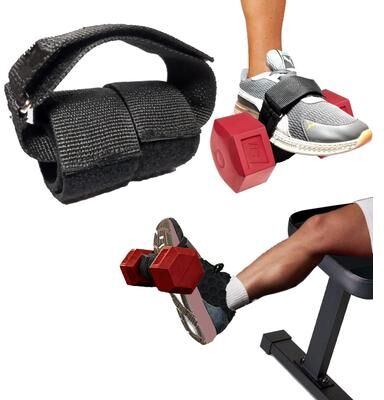
Multicon Wholesale Hub Shin Splint Relief Strap, Adjustable Weight, Enhance Calf Strength, Flexibility & Mobility Shin Splint Relief Strap, Adjustable Weight, Enhance Calf Strength, Flexibility & MobilityShin splints can be debilitating, making it difficult to maintain an active lifestyle. Our 1pcs Shin Splint Relief Strap is designed to provide targeted relief, enhance calf strength, and improve flexibility & mobility. Whether youre recovering from...45,97 $*Shipping: 0,00 $Secure redirect to the provider
-
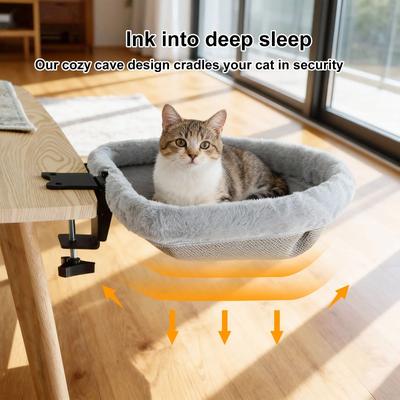
Uplifted Finds Workspace Pro Elite Desk Hammock Workspace Pro Elite Desk Hammock"Maximize your office productivity while keeping your feline companion at your side with the WorkspacePro Elite Desk Hammock. This premium ""sidecar"" perch is the ultimate solution for cats that insist on lounging on your keyboard or laptop. Featuring..."250,97 $*Shipping: 0,00 $Secure redirect to the provider
-
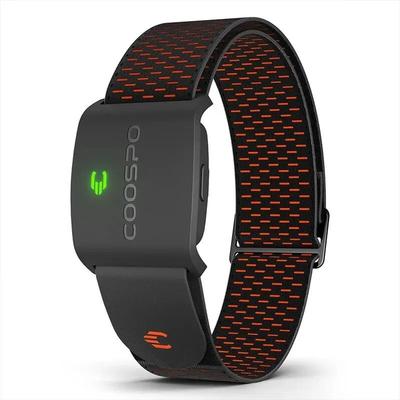
Uplift Essentials Armband Heart Rate Monitor With Bluetooth 5.0 And ANT+ Connectivity Armband Heart Rate Monitor With Bluetooth 5.0 And ANT+ ConnectivityTrain smarter and safer with this armband heart rate monitor featuring accurate optical HR tracking, calorie burn monitoring, and heart rate zone feedback. Designed for fitness enthusiasts, cyclists, and athletes, this device connects seamlessly to...126,97 $*Shipping: 0,00 $Secure redirect to the provider

-
How does CPR with a defibrillator work?
CPR with a defibrillator works by combining chest compressions to manually pump blood through the body with the use of an electrical shock from the defibrillator to restore the heart's normal rhythm. The chest compressions help circulate oxygenated blood to vital organs, while the defibrillator delivers an electrical shock to the heart to reset its rhythm in cases of cardiac arrest or certain arrhythmias. This combination of CPR and defibrillation can help increase the chances of survival in individuals experiencing sudden cardiac arrest. **
-
Should one have a defibrillator at home?
Having a defibrillator at home can be beneficial for individuals with a history of heart problems or those at high risk of sudden cardiac arrest. It can provide immediate life-saving treatment in the event of a cardiac emergency before medical help arrives. However, it is important to receive proper training on how to use a defibrillator and to consult with a healthcare professional to determine if having one at home is necessary based on individual health conditions and risk factors. Additionally, it is important to ensure that the device is properly maintained and regularly checked for functionality. **
-
When is a defibrillator used during a resuscitation?
A defibrillator is used during a resuscitation when a person is experiencing a life-threatening cardiac arrhythmia, such as ventricular fibrillation or pulseless ventricular tachycardia. These abnormal heart rhythms can cause the heart to stop beating effectively, leading to cardiac arrest. The defibrillator delivers an electric shock to the heart, which can help restore a normal heart rhythm and potentially save the person's life. **
-
How does the resuscitation with a defibrillator work?
A defibrillator works by delivering an electrical shock to the heart in order to restore its normal rhythm. When the heart is in a life-threatening rhythm such as ventricular fibrillation or ventricular tachycardia, the defibrillator sends an electrical current through the heart muscle to depolarize the cells and allow the heart to reestablish an effective rhythm. This shock interrupts the abnormal rhythm and allows the heart's natural pacemaker to regain control, potentially saving the person's life. Defibrillators are crucial in treating sudden cardiac arrest, as they can quickly restore a normal heart rhythm and improve the chances of survival. **


Which doctors can revive people with a defibrillator?
Doctors who are trained in advanced cardiac life support (ACLS) are typically the ones who can use a defibrillator to revive people. This includes emergency room doctors, cardiologists, anesthesiologists, and other healthcare professionals who have received specialized training in resuscitation techniques. In addition to doctors, paramedics and other emergency medical personnel are also trained to use defibrillators in emergency situations. **
How do a teaser and a defibrillator differ?
A teaser is a short promotional video or image used to generate interest and excitement for a product, movie, or event. It is designed to pique the audience's curiosity and leave them wanting more. On the other hand, a defibrillator is a medical device used to deliver an electric shock to the heart to restore normal rhythm in cases of cardiac arrest. It is a life-saving tool used in emergency medical situations. In summary, a teaser is a marketing tool, while a defibrillator is a medical device used for emergency treatment. **
Top-Angebote
Products related to Defibrillator:
-
ZOLL AED PLUS Automatic External Defibrillator""" ZOLL AED Plus with Real CPR Help The AED Plus® is the only AED with Real CPR Help®, real-time CPR feedback to help rescuers save a life. Only half of all sudden cardiac arrest victims will need a shock, while 100% will need high-quality CPR. Real..."2082,00 $*Shipping: 0,00 $Secure redirect to the provider
-
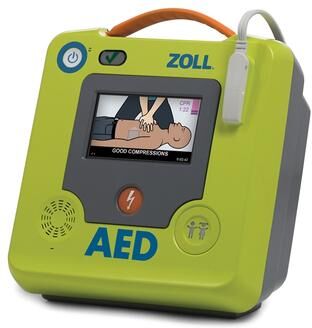
ZOLL AED 3 Automatic External Defibrillator""" ZOLL AED 3 Automatic External Defibrillator with Enhanced Real CPR Help While only 50% of sudden cardiac arrest victims will initially need a shock, nearly all will require CPR to increase the flow of oxygenated blood to the heart and brain. How..."2144,00 $*Shipping: 0,00 $Secure redirect to the provider
-
Zoll Cardiac Science Powerheart G5 AED Automatic External Defibrillator""" Cardiac Science Powerheart G5 AED with Intellisense CPR (ICPR) Technology Designed for first-time responders as well as experienced rescuers, the Powerheart® G5 automated external defibrillator (AED) combines ease of use with advanced technology...."2157,00 $*Shipping: 0,00 $Secure redirect to the provider
-
Multicon Wholesale Hub Shin Splint Relief Strap, Adjustable Weight, Enhance Calf Strength, Flexibility & Mobility Shin Splint Relief Strap, Adjustable Weight, Enhance Calf Strength, Flexibility & MobilityShin splints can be debilitating, making it difficult to maintain an active lifestyle. Our 1pcs Shin Splint Relief Strap is designed to provide targeted relief, enhance calf strength, and improve flexibility & mobility. Whether youre recovering from...45,97 $*Shipping: 0,00 $Secure redirect to the provider
-
How does resuscitation with a defibrillator work?
Resuscitation with a defibrillator works by delivering an electrical shock to the heart in order to restore its normal rhythm. When a person goes into cardiac arrest, their heart may be in a chaotic rhythm called ventricular fibrillation. The defibrillator delivers a controlled electrical shock to the heart, which can help reset the heart's rhythm back to normal. This allows the heart to pump blood effectively again, potentially saving the person's life. It is important to note that defibrillation should be performed as soon as possible after cardiac arrest occurs in order to maximize the chances of survival. **
-
How does reanimation with a defibrillator work?
A defibrillator works by delivering an electric shock to the heart to restore its normal rhythm. When the heart is in a life-threatening rhythm such as ventricular fibrillation or ventricular tachycardia, the defibrillator sends an electrical current through the heart muscle to depolarize the cells and allow the heart to reestablish an organized rhythm. This shock can help stop the abnormal rhythm and allow the heart to resume pumping blood effectively. Defibrillators are crucial in treating sudden cardiac arrest and can save lives by quickly restoring a normal heart rhythm. **
-
How does CPR with a defibrillator work?
CPR with a defibrillator works by combining chest compressions to manually pump blood through the body with the use of an electrical shock from the defibrillator to restore the heart's normal rhythm. The chest compressions help circulate oxygenated blood to vital organs, while the defibrillator delivers an electrical shock to the heart to reset its rhythm in cases of cardiac arrest or certain arrhythmias. This combination of CPR and defibrillation can help increase the chances of survival in individuals experiencing sudden cardiac arrest. **
-
Should one have a defibrillator at home?
Having a defibrillator at home can be beneficial for individuals with a history of heart problems or those at high risk of sudden cardiac arrest. It can provide immediate life-saving treatment in the event of a cardiac emergency before medical help arrives. However, it is important to receive proper training on how to use a defibrillator and to consult with a healthcare professional to determine if having one at home is necessary based on individual health conditions and risk factors. Additionally, it is important to ensure that the device is properly maintained and regularly checked for functionality. **
Similar search terms for Defibrillator
-
Uplifted Finds Workspace Pro Elite Desk Hammock Workspace Pro Elite Desk Hammock"Maximize your office productivity while keeping your feline companion at your side with the WorkspacePro Elite Desk Hammock. This premium ""sidecar"" perch is the ultimate solution for cats that insist on lounging on your keyboard or laptop. Featuring..."250,97 $*Shipping: 0,00 $Secure redirect to the provider
-
Uplift Essentials Armband Heart Rate Monitor With Bluetooth 5.0 And ANT+ Connectivity Armband Heart Rate Monitor With Bluetooth 5.0 And ANT+ ConnectivityTrain smarter and safer with this armband heart rate monitor featuring accurate optical HR tracking, calorie burn monitoring, and heart rate zone feedback. Designed for fitness enthusiasts, cyclists, and athletes, this device connects seamlessly to...126,97 $*Shipping: 0,00 $Secure redirect to the provider
-
HARPERCOLLINS Creative Confidence by Tom & David Kelley – Unleashing Your Creative Potential & Innovation MindsetA powerful and inspiring book from the founders of IDEO, the award-winning design firm, on unleashing the creativity that lies within each and every one of us. Too often, companies and individuals assume that creativity and innovation are the domain of the ‘creative types’. But two of the foremost experts in innovation, design and creativity on the planet show us that each and every one of us is creative. In an entertaining and inspiring narrative that draws on countless stories from their work at IDEO, and with many of the world's top companies and design firms, David and Tom Kelley identify the principles and strategies that will allow us to tap into our creative potential in our work lives, and in our personal lives, allow us to think outside the box in terms of how we approach and solve problems. ‘Creative Confidence’ is a book that will help each of us be more productive and successful in our lives and in our careers.4,95 £*Shipping: 1,99 £Secure redirect to the provider
-
When is a defibrillator used during a resuscitation?
A defibrillator is used during a resuscitation when a person is experiencing a life-threatening cardiac arrhythmia, such as ventricular fibrillation or pulseless ventricular tachycardia. These abnormal heart rhythms can cause the heart to stop beating effectively, leading to cardiac arrest. The defibrillator delivers an electric shock to the heart, which can help restore a normal heart rhythm and potentially save the person's life. **
-
How does the resuscitation with a defibrillator work?
A defibrillator works by delivering an electrical shock to the heart in order to restore its normal rhythm. When the heart is in a life-threatening rhythm such as ventricular fibrillation or ventricular tachycardia, the defibrillator sends an electrical current through the heart muscle to depolarize the cells and allow the heart to reestablish an effective rhythm. This shock interrupts the abnormal rhythm and allows the heart's natural pacemaker to regain control, potentially saving the person's life. Defibrillators are crucial in treating sudden cardiac arrest, as they can quickly restore a normal heart rhythm and improve the chances of survival. **
-
Which doctors can revive people with a defibrillator?
Doctors who are trained in advanced cardiac life support (ACLS) are typically the ones who can use a defibrillator to revive people. This includes emergency room doctors, cardiologists, anesthesiologists, and other healthcare professionals who have received specialized training in resuscitation techniques. In addition to doctors, paramedics and other emergency medical personnel are also trained to use defibrillators in emergency situations. **
-
How do a teaser and a defibrillator differ?
A teaser is a short promotional video or image used to generate interest and excitement for a product, movie, or event. It is designed to pique the audience's curiosity and leave them wanting more. On the other hand, a defibrillator is a medical device used to deliver an electric shock to the heart to restore normal rhythm in cases of cardiac arrest. It is a life-saving tool used in emergency medical situations. In summary, a teaser is a marketing tool, while a defibrillator is a medical device used for emergency treatment. **
* All prices are inclusive of VAT and, if applicable, plus shipping costs. The offer information is based on the details provided by the respective shop and is updated through automated processes. Real-time updates do not occur, so deviations can occur in individual cases. ** Note: Parts of this content were created by AI.