Buy mobility-workspace.eu ?
We are moving the project
mobility-workspace.eu .
Are you interested in purchasing the domain
mobility-workspace.eu ?
domain@kv-gmbh.de · 0541-91531010
Buy mobility-workspace.eu ?
Can economic efficiency and productivity develop mutually?
Yes, economic efficiency and productivity can develop mutually. When businesses and industries become more efficient in their operations, they can produce more output with the same amount of input, leading to increased productivity. Similarly, when productivity increases, it can drive economic efficiency by reducing waste and improving resource allocation. Therefore, as businesses and industries focus on improving efficiency and productivity, they can reinforce and support each other's development. **
What is the difference between efficiency and productivity?
Efficiency refers to how well resources are utilized to achieve a specific goal or output, while productivity measures the output or results generated from a specific amount of input or resources. Efficiency focuses on minimizing waste and maximizing output with the resources available, while productivity is a measure of how much output is produced relative to the input used. In essence, efficiency is about doing things right, while productivity is about doing the right things. **
Similar search terms for Using
Top-Angebote
Products related to Using:
-
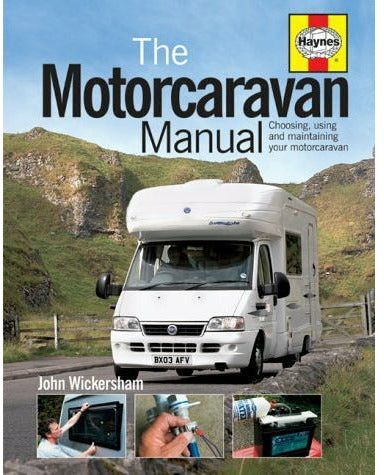
Haynes Publishing Motorcaravan Manual by John Wickersham, Choosing, Using and Maintaining Your MotorcaravanMotorcaravan Manual by John Wickersham, Choosing, Using and Maintaining Your Motorcaravan The radically updated second edition of an established best-seller encompasses the very latest developments in motorcaravans. The book is full of practical information and advice for both the novice and the experienced owner, covering aspects of boying, maintaining and furnishing a motorcaravan, along with useful tips and information on many models including coachbuilts, conversions, dismountables and MPVs. Case histories concerning improvement projects and self-built motorcaravans have neen expanded, as has coverage of the design and specification of the very latest manufactured motorhomes. tags;motorcaravan manual5,59 £*Shipping: 2,99 £Secure redirect to the provider
-
Michael Joseph Nadiya Hussain – Time to Eat: Delicious, time-saving meals using simple store-cupboard ingredientsFeeding a family and juggling the stresses of home life can be really tricky, so Nadiya has crafted over 100 recipes that will teach you how to be time-smart in the kitchen. Featuring recipes that are both quick and easy to make, as well as those that have shortcuts to creating second - and even third - delicious meals without any additional preparation, Nadiya will share with you all her tips and hacks for making meal prep as simple as possible. You'll be able to make all the delicious recipes from Nadiya's BBC2 show including: · RASPBERRY CHEESECAKE CROISSANTS · ONE TRAY PEANUT CHICKEN with gnocci and broccoli · ZINGY MARMALADE HADDOCK with sundried tomatoes easy roast potatoes · BLENDER BEETROOT PASTA with feta, dill and lemon juice · BAKED BEAN FALAFEL BURGERS with siracha sauce and coleslaw · BANANA TARTE TARTIN with simple no-churn ice cream Each recipe also includes how long it will take to prepare and cook, making planning easy. Spin leftovers into completely new meals, learn the most effective way to use your freezer and discover just how easy it can be to batch cook without needing to have the same meal every night. Covering breakfast, lunch, dinner, desserts and basics - with recipes that will give you leftovers to have as snacks in between - Nadiya shows you how she manages to always have home-cooked food at hand for her family. Nadiya will show you how you can always make time to cook and eat delicious food.17,49 £*Shipping: 2,99 £Secure redirect to the provider
-
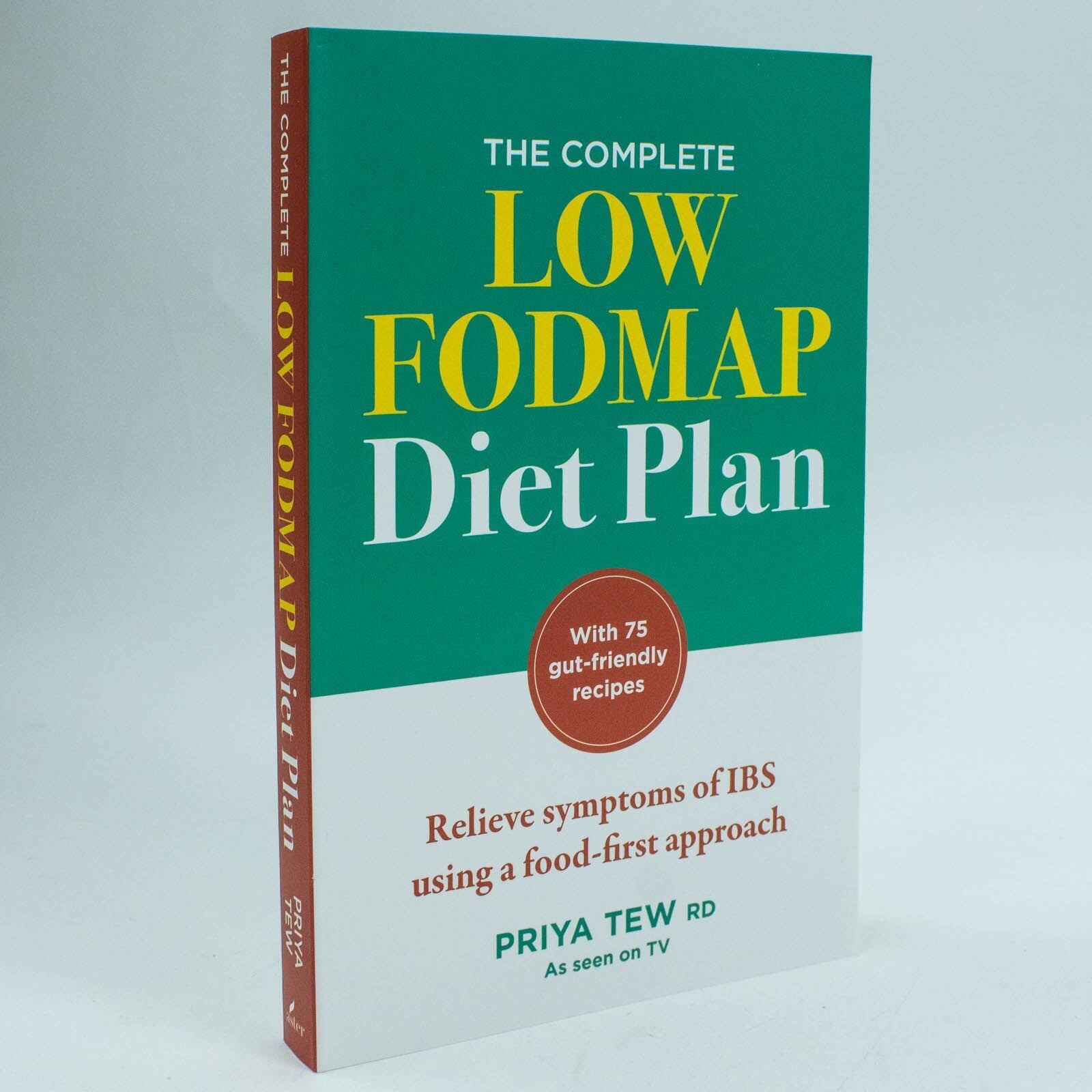
Aster The Complete Low FODMAP Diet Plan: Relieve symptoms of IBS using a food-first approachTake control of IBS with this ground-breaking diet planThe low-FODMAP diet is a medically proven approach to managing and relieving symptoms of irritable bowel syndrome (IBS).FODMAPs are fermentable carbohydrates that are difficult to digest and known to cause unpleasant gastrointestinal symptoms, such as bloating, excessive gas and stomach pain.Full of essential information, this easy-to-follow beginner's guide will help you understand and apply the diet with the support of your dietitian, and shows you how, by making simple changes to what you eat, you can alleviate symptoms of IBS and live life to the full again. Includes:A comprehensive table of foods to avoidA detailed explanation of the three-stage process of restriction, reintroduction and personalisation75 delicious gut-friendly recipes7,99 £*Shipping: 2,99 £Secure redirect to the provider
-
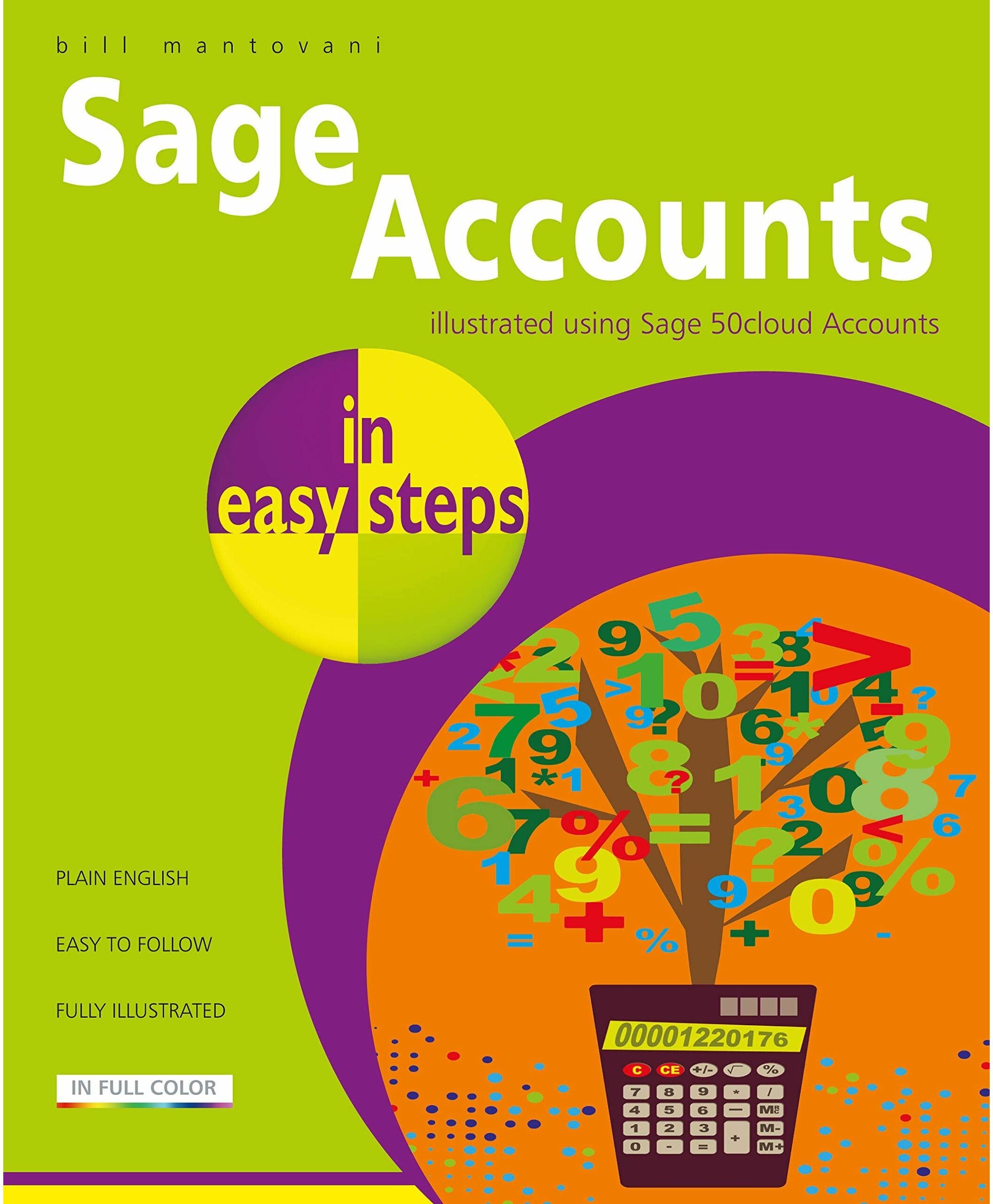
In Easy Steps Limited Sage Accounts in easy steps: illustrated using Sage 50cloud by Bill MantovaniSage Accounts is the UK's market-leading accounts software. It lets you manage your day-to-day finances, customers, suppliers and VAT and keeps your finger on the pulse of your business. Sage Accounts in easy steps uses detailed images and easy-to-follow instructions, showing you how to quickly get to grips with the new features of this leading accounts software. This definitive guide clarifies everything from basic recording keeping to utilising Sage as an information-bank for making crucial business decisions. Areas covered include: Setting up Sage, entering debtors and creditors Producing purchase/sales orders and invoices Bank account reconciliation Stock management, including Bill of Materials Important month and year end procedures Processing the VAT return and e-Submission Generating invaluable management reports Sage Accounts in easy steps is ideal for non-accountants using Sage for the first time, or just needing to grasp the new key features all in easy steps! Illustrated using Sage 50cloud Table of Contents Getting Started The Customer Ledger The Supplier Ledger The Nominal Ledger The Bank Products Invoices Processing Sales Orders Purchase Orders Financial Reporting Fixed Assets The Report Designer Opening Balances Data Management Task Management5,95 £*Shipping: 2,99 £Secure redirect to the provider

-
What are the connections between efficiency and productivity?
Efficiency and productivity are closely connected in that efficiency refers to the ability to accomplish a task with minimal waste, effort, or cost, while productivity refers to the rate at which goods or services are produced. When a process or system is efficient, it can lead to increased productivity because it allows for more output to be generated with the same amount of input. Conversely, when productivity is high, it often indicates that the resources and processes are being used efficiently. Therefore, improving efficiency can lead to increased productivity, and vice versa, as they both contribute to the overall effectiveness of a business or organization. **
-
Does increasing productivity lead to higher economic efficiency?
Yes, increasing productivity can lead to higher economic efficiency. When a company or economy can produce more output with the same input of resources, it can lead to lower production costs and higher profits. This can also lead to lower prices for consumers, which can increase overall economic welfare. Additionally, higher productivity can lead to increased competitiveness in the global market, which can further contribute to economic efficiency. **
-
What is the difference between productivity, efficiency, and profitability?
Productivity refers to the amount of output produced per unit of input, such as time or resources. Efficiency, on the other hand, focuses on how well resources are used to achieve a specific goal or output. Profitability, meanwhile, is a measure of how efficiently a company generates profit relative to its costs and expenses. In essence, productivity is about output per input, efficiency is about resource utilization, and profitability is about the bottom line of a business. **
-
What is the relationship between productivity and economic efficiency?
Productivity and economic efficiency are closely related concepts. Productivity refers to the amount of output produced per unit of input, such as labor or capital. When productivity increases, more output is produced with the same amount of input, leading to greater economic efficiency. Economic efficiency, on the other hand, refers to the optimal allocation of resources to maximize output and minimize waste. Therefore, higher productivity often leads to greater economic efficiency as resources are used more effectively to produce goods and services. Conversely, lower productivity can lead to inefficiencies in resource allocation and reduced overall economic efficiency. **


Can you explain the difference between invention and innovation using an example?
Invention refers to the creation of a new product, process, or idea, while innovation involves the improvement or modification of an existing invention to make it more valuable or useful. For example, the invention of the telephone by Alexander Graham Bell was a groundbreaking creation that allowed for long-distance communication. However, the innovation of smartphones by companies like Apple and Samsung took the basic concept of the telephone and added features like internet connectivity, cameras, and apps to revolutionize how we communicate and access information. **
How do profitability, productivity, and efficiency differ from each other?
Profitability refers to the ability of a company to generate profit, which is the difference between revenue and expenses. Productivity measures the output of goods or services produced per unit of input, such as labor or capital. Efficiency, on the other hand, focuses on how well resources are utilized to achieve a specific goal, often measured by the ratio of input to output. In summary, profitability is about generating profit, productivity is about output per input, and efficiency is about maximizing output with the resources available. **
Top-Angebote
Products related to Using:
-
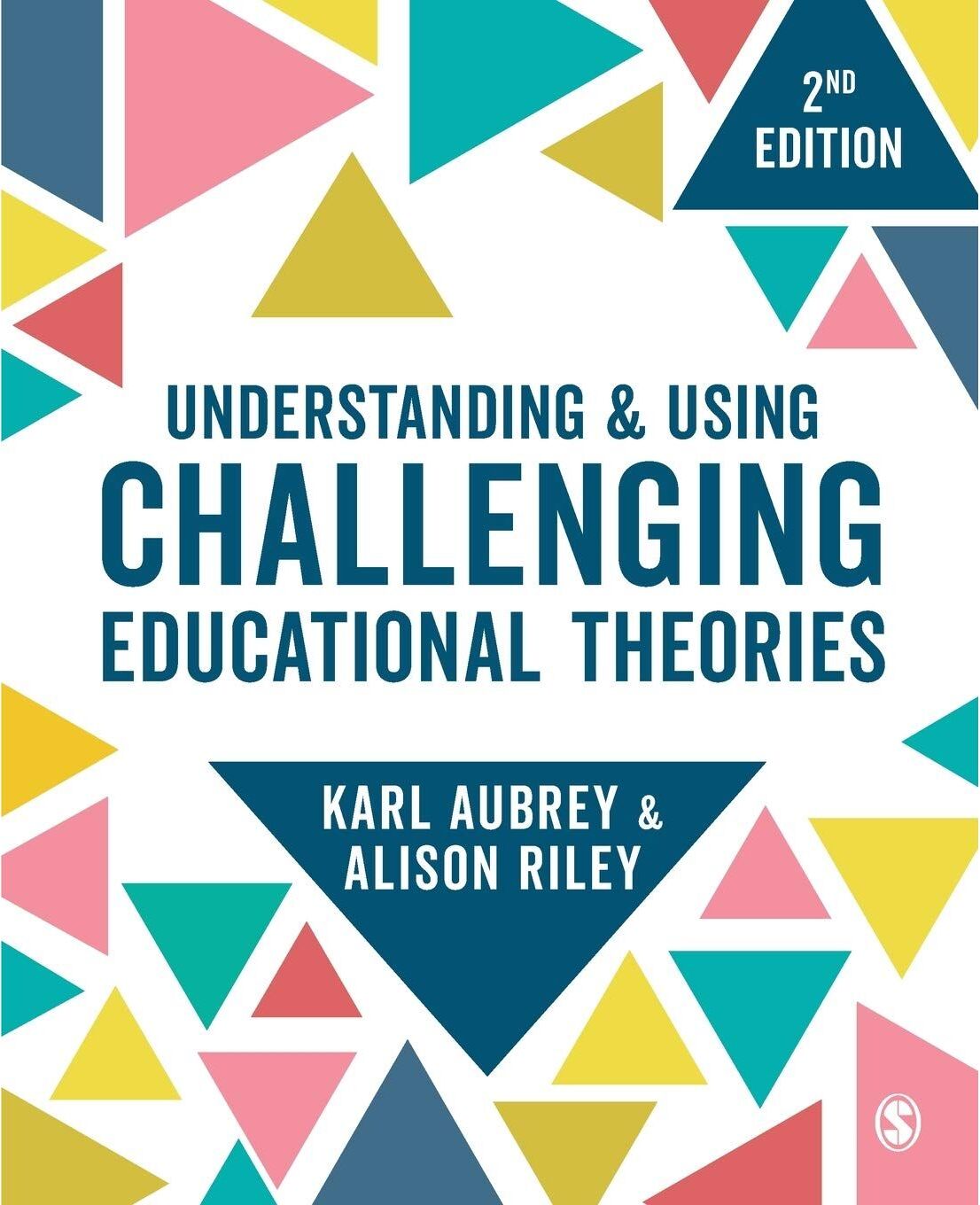
SAGE Publications Understanding and Using Challenging Educational TheoriesIntroducing you to 18 key educational thinkers who have offered challenging perspectives on education, this new edition comes with:- 3 new chapters on Ivan Illich, Loris Malaguzzi and Michael Apple- A glossary of key words related to each theorist’s work- A context-setting overview of key themes- Practical examples that shows how theories can be applied to your practice17,49 £*Shipping: 2,99 £Secure redirect to the provider
-
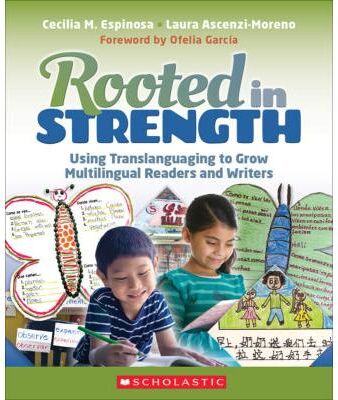
Scholastic Professional Rooted in Strength: Using Translanguaging to Grow Multilingual Readers and WritersAdditionally, the authors present rich and thoughtful literacy practices that propel emergent bilinguals into reading and writing success. The core of this approach is honoring and leveraging the language and cultural resources emergent bilinguals...36,99 $*Shipping: 0,00 $Secure redirect to the provider
-
Haynes Publishing Motorcaravan Manual by John Wickersham, Choosing, Using and Maintaining Your MotorcaravanMotorcaravan Manual by John Wickersham, Choosing, Using and Maintaining Your Motorcaravan The radically updated second edition of an established best-seller encompasses the very latest developments in motorcaravans. The book is full of practical information and advice for both the novice and the experienced owner, covering aspects of boying, maintaining and furnishing a motorcaravan, along with useful tips and information on many models including coachbuilts, conversions, dismountables and MPVs. Case histories concerning improvement projects and self-built motorcaravans have neen expanded, as has coverage of the design and specification of the very latest manufactured motorhomes. tags;motorcaravan manual5,59 £*Shipping: 2,99 £Secure redirect to the provider
-
Michael Joseph Nadiya Hussain – Time to Eat: Delicious, time-saving meals using simple store-cupboard ingredientsFeeding a family and juggling the stresses of home life can be really tricky, so Nadiya has crafted over 100 recipes that will teach you how to be time-smart in the kitchen. Featuring recipes that are both quick and easy to make, as well as those that have shortcuts to creating second - and even third - delicious meals without any additional preparation, Nadiya will share with you all her tips and hacks for making meal prep as simple as possible. You'll be able to make all the delicious recipes from Nadiya's BBC2 show including: · RASPBERRY CHEESECAKE CROISSANTS · ONE TRAY PEANUT CHICKEN with gnocci and broccoli · ZINGY MARMALADE HADDOCK with sundried tomatoes easy roast potatoes · BLENDER BEETROOT PASTA with feta, dill and lemon juice · BAKED BEAN FALAFEL BURGERS with siracha sauce and coleslaw · BANANA TARTE TARTIN with simple no-churn ice cream Each recipe also includes how long it will take to prepare and cook, making planning easy. Spin leftovers into completely new meals, learn the most effective way to use your freezer and discover just how easy it can be to batch cook without needing to have the same meal every night. Covering breakfast, lunch, dinner, desserts and basics - with recipes that will give you leftovers to have as snacks in between - Nadiya shows you how she manages to always have home-cooked food at hand for her family. Nadiya will show you how you can always make time to cook and eat delicious food.17,49 £*Shipping: 2,99 £Secure redirect to the provider
-
Can economic efficiency and productivity develop mutually?
Yes, economic efficiency and productivity can develop mutually. When businesses and industries become more efficient in their operations, they can produce more output with the same amount of input, leading to increased productivity. Similarly, when productivity increases, it can drive economic efficiency by reducing waste and improving resource allocation. Therefore, as businesses and industries focus on improving efficiency and productivity, they can reinforce and support each other's development. **
-
What is the difference between efficiency and productivity?
Efficiency refers to how well resources are utilized to achieve a specific goal or output, while productivity measures the output or results generated from a specific amount of input or resources. Efficiency focuses on minimizing waste and maximizing output with the resources available, while productivity is a measure of how much output is produced relative to the input used. In essence, efficiency is about doing things right, while productivity is about doing the right things. **
-
What are the connections between efficiency and productivity?
Efficiency and productivity are closely connected in that efficiency refers to the ability to accomplish a task with minimal waste, effort, or cost, while productivity refers to the rate at which goods or services are produced. When a process or system is efficient, it can lead to increased productivity because it allows for more output to be generated with the same amount of input. Conversely, when productivity is high, it often indicates that the resources and processes are being used efficiently. Therefore, improving efficiency can lead to increased productivity, and vice versa, as they both contribute to the overall effectiveness of a business or organization. **
-
Does increasing productivity lead to higher economic efficiency?
Yes, increasing productivity can lead to higher economic efficiency. When a company or economy can produce more output with the same input of resources, it can lead to lower production costs and higher profits. This can also lead to lower prices for consumers, which can increase overall economic welfare. Additionally, higher productivity can lead to increased competitiveness in the global market, which can further contribute to economic efficiency. **
Similar search terms for Using
-
Aster The Complete Low FODMAP Diet Plan: Relieve symptoms of IBS using a food-first approachTake control of IBS with this ground-breaking diet planThe low-FODMAP diet is a medically proven approach to managing and relieving symptoms of irritable bowel syndrome (IBS).FODMAPs are fermentable carbohydrates that are difficult to digest and known to cause unpleasant gastrointestinal symptoms, such as bloating, excessive gas and stomach pain.Full of essential information, this easy-to-follow beginner's guide will help you understand and apply the diet with the support of your dietitian, and shows you how, by making simple changes to what you eat, you can alleviate symptoms of IBS and live life to the full again. Includes:A comprehensive table of foods to avoidA detailed explanation of the three-stage process of restriction, reintroduction and personalisation75 delicious gut-friendly recipes7,99 £*Shipping: 2,99 £Secure redirect to the provider
-
In Easy Steps Limited Sage Accounts in easy steps: illustrated using Sage 50cloud by Bill MantovaniSage Accounts is the UK's market-leading accounts software. It lets you manage your day-to-day finances, customers, suppliers and VAT and keeps your finger on the pulse of your business. Sage Accounts in easy steps uses detailed images and easy-to-follow instructions, showing you how to quickly get to grips with the new features of this leading accounts software. This definitive guide clarifies everything from basic recording keeping to utilising Sage as an information-bank for making crucial business decisions. Areas covered include: Setting up Sage, entering debtors and creditors Producing purchase/sales orders and invoices Bank account reconciliation Stock management, including Bill of Materials Important month and year end procedures Processing the VAT return and e-Submission Generating invaluable management reports Sage Accounts in easy steps is ideal for non-accountants using Sage for the first time, or just needing to grasp the new key features all in easy steps! Illustrated using Sage 50cloud Table of Contents Getting Started The Customer Ledger The Supplier Ledger The Nominal Ledger The Bank Products Invoices Processing Sales Orders Purchase Orders Financial Reporting Fixed Assets The Report Designer Opening Balances Data Management Task Management5,95 £*Shipping: 2,99 £Secure redirect to the provider
-
Robinson Overcoming Mood Swings: A self-help guide using cognitive behavioural techniques by Professor Jan Scott MD FRCPsychMost people know what it is like to experience high or low spirits. For some individuals, however, emotional extremes can seriously disrupt their lives, either because they happen too frequently or because the mood swings are intense and are accompanied by other symptoms of depression or mania.This book is a self-help manual for those who have experienced mood swings and gives background information on depression and mania. The author uses tried and tested practical techniques that will help people identify and manage their mood more effectively, and achieve a more stable emotional state.Contains a complete self-help programme and monitoring sheets.Overcoming self-help guides use clinically proven techniques to treat long-standing and disabling conditions, both psychological and physical. Many guides in the Overcoming series are recommended under the Reading Well Books on Prescription scheme.10,99 £*Shipping: 2,99 £Secure redirect to the provider
-
Multicon Wholesale Hub Shin Splint Relief Strap, Adjustable Weight, Enhance Calf Strength, Flexibility & Mobility Shin Splint Relief Strap, Adjustable Weight, Enhance Calf Strength, Flexibility & MobilityShin splints can be debilitating, making it difficult to maintain an active lifestyle. Our 1pcs Shin Splint Relief Strap is designed to provide targeted relief, enhance calf strength, and improve flexibility & mobility. Whether youre recovering from...45,97 $*Shipping: 0,00 $Secure redirect to the provider
-
What is the difference between productivity, efficiency, and profitability?
Productivity refers to the amount of output produced per unit of input, such as time or resources. Efficiency, on the other hand, focuses on how well resources are used to achieve a specific goal or output. Profitability, meanwhile, is a measure of how efficiently a company generates profit relative to its costs and expenses. In essence, productivity is about output per input, efficiency is about resource utilization, and profitability is about the bottom line of a business. **
-
What is the relationship between productivity and economic efficiency?
Productivity and economic efficiency are closely related concepts. Productivity refers to the amount of output produced per unit of input, such as labor or capital. When productivity increases, more output is produced with the same amount of input, leading to greater economic efficiency. Economic efficiency, on the other hand, refers to the optimal allocation of resources to maximize output and minimize waste. Therefore, higher productivity often leads to greater economic efficiency as resources are used more effectively to produce goods and services. Conversely, lower productivity can lead to inefficiencies in resource allocation and reduced overall economic efficiency. **
-
Can you explain the difference between invention and innovation using an example?
Invention refers to the creation of a new product, process, or idea, while innovation involves the improvement or modification of an existing invention to make it more valuable or useful. For example, the invention of the telephone by Alexander Graham Bell was a groundbreaking creation that allowed for long-distance communication. However, the innovation of smartphones by companies like Apple and Samsung took the basic concept of the telephone and added features like internet connectivity, cameras, and apps to revolutionize how we communicate and access information. **
-
How do profitability, productivity, and efficiency differ from each other?
Profitability refers to the ability of a company to generate profit, which is the difference between revenue and expenses. Productivity measures the output of goods or services produced per unit of input, such as labor or capital. Efficiency, on the other hand, focuses on how well resources are utilized to achieve a specific goal, often measured by the ratio of input to output. In summary, profitability is about generating profit, productivity is about output per input, and efficiency is about maximizing output with the resources available. **
* All prices are inclusive of VAT and, if applicable, plus shipping costs. The offer information is based on the details provided by the respective shop and is updated through automated processes. Real-time updates do not occur, so deviations can occur in individual cases. ** Note: Parts of this content were created by AI.