Buy mobility-workspace.eu ?
We are moving the project
mobility-workspace.eu .
Are you interested in purchasing the domain
mobility-workspace.eu ?
domain@kv-gmbh.de · 0541-91531010
Buy mobility-workspace.eu ?
Why are thermoelectric refrigerators not used?
Thermoelectric refrigerators are not commonly used for large-scale refrigeration purposes because they are less energy-efficient compared to traditional compressor-based refrigeration systems. They also have limited cooling capacity and are not suitable for cooling large volumes of food or other perishable items. Additionally, thermoelectric refrigerators tend to be more expensive to manufacture and maintain, making them less cost-effective for commercial or industrial applications. **
Which sensor is needed for this thermoelectric generator? What component is it?
The sensor needed for a thermoelectric generator is a temperature sensor. This component is essential for monitoring the temperature difference between the hot and cold sides of the thermoelectric module. By accurately measuring this temperature difference, the thermoelectric generator can efficiently convert heat into electricity. The temperature sensor helps ensure that the system operates at its optimal performance level. **
Similar search terms for Thermoelectric
Top-Angebote
Products related to Thermoelectric:
-
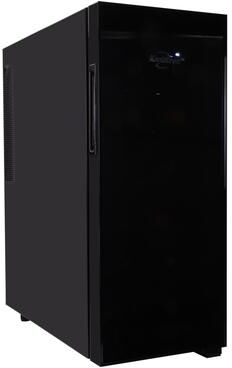
Yeego 10.2 inch 8-Bottle Thermoelectric Wine Cooler, Countertop Refrigerator with UV-Protected GlassStore and showcase your favorite wines with this compact 8-Bottle Thermoelectric Wine Cooler. Designed for countertops, apartments, offices, and home bars, it features quiet, vibration-free thermoelectric cooling to help preserve wine flavor and aroma.176,99 $*Shipping: 0,00 $Secure redirect to the provider
-
Yeego 17.7 in. 2.47 Cu. Ft. Quiet Mini Thermoelectric Fridge, Single Door Compact RefrigeratorKeep beverages and snacks conveniently chilled with this compact 2.47 cu. ft. thermoelectric mini fridge. Quiet, vibration-free semiconductor cooling makes it a practical choice for bedrooms, dorms, offices, apartments, and entertainment spaces.234,49 $*Shipping: 0,00 $Secure redirect to the provider




-
Can economic efficiency and productivity develop mutually?
Yes, economic efficiency and productivity can develop mutually. When businesses and industries become more efficient in their operations, they can produce more output with the same amount of input, leading to increased productivity. Similarly, when productivity increases, it can drive economic efficiency by reducing waste and improving resource allocation. Therefore, as businesses and industries focus on improving efficiency and productivity, they can reinforce and support each other's development. **
-
What is the difference between efficiency and productivity?
Efficiency refers to how well resources are utilized to achieve a specific goal or output, while productivity measures the output or results generated from a specific amount of input or resources. Efficiency focuses on minimizing waste and maximizing output with the resources available, while productivity is a measure of how much output is produced relative to the input used. In essence, efficiency is about doing things right, while productivity is about doing the right things. **
-
What are the connections between efficiency and productivity?
Efficiency and productivity are closely connected in that efficiency refers to the ability to accomplish a task with minimal waste, effort, or cost, while productivity refers to the rate at which goods or services are produced. When a process or system is efficient, it can lead to increased productivity because it allows for more output to be generated with the same amount of input. Conversely, when productivity is high, it often indicates that the resources and processes are being used efficiently. Therefore, improving efficiency can lead to increased productivity, and vice versa, as they both contribute to the overall effectiveness of a business or organization. **
-
Does increasing productivity lead to higher economic efficiency?
Yes, increasing productivity can lead to higher economic efficiency. When a company or economy can produce more output with the same input of resources, it can lead to lower production costs and higher profits. This can also lead to lower prices for consumers, which can increase overall economic welfare. Additionally, higher productivity can lead to increased competitiveness in the global market, which can further contribute to economic efficiency. **


What is the difference between productivity, efficiency, and profitability?
Productivity refers to the amount of output produced per unit of input, such as time or resources. Efficiency, on the other hand, focuses on how well resources are used to achieve a specific goal or output. Profitability, meanwhile, is a measure of how efficiently a company generates profit relative to its costs and expenses. In essence, productivity is about output per input, efficiency is about resource utilization, and profitability is about the bottom line of a business. **
What is the relationship between productivity and economic efficiency?
Productivity and economic efficiency are closely related concepts. Productivity refers to the amount of output produced per unit of input, such as labor or capital. When productivity increases, more output is produced with the same amount of input, leading to greater economic efficiency. Economic efficiency, on the other hand, refers to the optimal allocation of resources to maximize output and minimize waste. Therefore, higher productivity often leads to greater economic efficiency as resources are used more effectively to produce goods and services. Conversely, lower productivity can lead to inefficiencies in resource allocation and reduced overall economic efficiency. **
Top-Angebote
Products related to Thermoelectric:
-
Yeego 10.2 inch 8-Bottle Thermoelectric Wine Cooler, Countertop Refrigerator with UV-Protected GlassStore and showcase your favorite wines with this compact 8-Bottle Thermoelectric Wine Cooler. Designed for countertops, apartments, offices, and home bars, it features quiet, vibration-free thermoelectric cooling to help preserve wine flavor and aroma.176,99 $*Shipping: 0,00 $Secure redirect to the provider
-
Why are thermoelectric refrigerators not used?
Thermoelectric refrigerators are not commonly used for large-scale refrigeration purposes because they are less energy-efficient compared to traditional compressor-based refrigeration systems. They also have limited cooling capacity and are not suitable for cooling large volumes of food or other perishable items. Additionally, thermoelectric refrigerators tend to be more expensive to manufacture and maintain, making them less cost-effective for commercial or industrial applications. **
-
Which sensor is needed for this thermoelectric generator? What component is it?
The sensor needed for a thermoelectric generator is a temperature sensor. This component is essential for monitoring the temperature difference between the hot and cold sides of the thermoelectric module. By accurately measuring this temperature difference, the thermoelectric generator can efficiently convert heat into electricity. The temperature sensor helps ensure that the system operates at its optimal performance level. **
-
Can economic efficiency and productivity develop mutually?
Yes, economic efficiency and productivity can develop mutually. When businesses and industries become more efficient in their operations, they can produce more output with the same amount of input, leading to increased productivity. Similarly, when productivity increases, it can drive economic efficiency by reducing waste and improving resource allocation. Therefore, as businesses and industries focus on improving efficiency and productivity, they can reinforce and support each other's development. **
-
What is the difference between efficiency and productivity?
Efficiency refers to how well resources are utilized to achieve a specific goal or output, while productivity measures the output or results generated from a specific amount of input or resources. Efficiency focuses on minimizing waste and maximizing output with the resources available, while productivity is a measure of how much output is produced relative to the input used. In essence, efficiency is about doing things right, while productivity is about doing the right things. **
Similar search terms for Thermoelectric
-
Yeego 17.7 in. 2.47 Cu. Ft. Quiet Mini Thermoelectric Fridge, Single Door Compact RefrigeratorKeep beverages and snacks conveniently chilled with this compact 2.47 cu. ft. thermoelectric mini fridge. Quiet, vibration-free semiconductor cooling makes it a practical choice for bedrooms, dorms, offices, apartments, and entertainment spaces.234,49 $*Shipping: 0,00 $Secure redirect to the provider
-
Ca'Lefort 2-Bottle Electric Wine Chiller Gift Set, Thermoelectric Cooler with Electric Opener, Vacuum SealerEnjoy perfectly chilled wine with the Ca'Lefort 2-Bottle Electric Wine Chiller, designed for red, white, rosé, and sparkling wines.Its thermoelectric cooling system provides precise 46–65°F temperature control with quiet operation and an easy-to-read…311,49 $*Shipping: 0,00 $Secure redirect to the provider
-
What are the connections between efficiency and productivity?
Efficiency and productivity are closely connected in that efficiency refers to the ability to accomplish a task with minimal waste, effort, or cost, while productivity refers to the rate at which goods or services are produced. When a process or system is efficient, it can lead to increased productivity because it allows for more output to be generated with the same amount of input. Conversely, when productivity is high, it often indicates that the resources and processes are being used efficiently. Therefore, improving efficiency can lead to increased productivity, and vice versa, as they both contribute to the overall effectiveness of a business or organization. **
-
Does increasing productivity lead to higher economic efficiency?
Yes, increasing productivity can lead to higher economic efficiency. When a company or economy can produce more output with the same input of resources, it can lead to lower production costs and higher profits. This can also lead to lower prices for consumers, which can increase overall economic welfare. Additionally, higher productivity can lead to increased competitiveness in the global market, which can further contribute to economic efficiency. **
-
What is the difference between productivity, efficiency, and profitability?
Productivity refers to the amount of output produced per unit of input, such as time or resources. Efficiency, on the other hand, focuses on how well resources are used to achieve a specific goal or output. Profitability, meanwhile, is a measure of how efficiently a company generates profit relative to its costs and expenses. In essence, productivity is about output per input, efficiency is about resource utilization, and profitability is about the bottom line of a business. **
-
What is the relationship between productivity and economic efficiency?
Productivity and economic efficiency are closely related concepts. Productivity refers to the amount of output produced per unit of input, such as labor or capital. When productivity increases, more output is produced with the same amount of input, leading to greater economic efficiency. Economic efficiency, on the other hand, refers to the optimal allocation of resources to maximize output and minimize waste. Therefore, higher productivity often leads to greater economic efficiency as resources are used more effectively to produce goods and services. Conversely, lower productivity can lead to inefficiencies in resource allocation and reduced overall economic efficiency. **
* All prices are inclusive of VAT and, if applicable, plus shipping costs. The offer information is based on the details provided by the respective shop and is updated through automated processes. Real-time updates do not occur, so deviations can occur in individual cases. ** Note: Parts of this content were created by AI.