Buy mobility-workspace.eu ?
We are moving the project
mobility-workspace.eu .
Are you interested in purchasing the domain
mobility-workspace.eu ?
domain@kv-gmbh.de · 0541-91531010
Buy mobility-workspace.eu ?
What is direct collaboration?
Direct collaboration refers to the process of individuals or groups working together in a coordinated and interactive manner to achieve a common goal. This involves open communication, sharing of ideas, and mutual support to accomplish tasks or solve problems. Direct collaboration often leads to more efficient and effective outcomes as it allows for real-time feedback and the pooling of diverse perspectives and expertise. This type of collaboration can occur within a team, between different departments, or even across organizations. **
How are high-voltage cables distributed?
High-voltage cables are distributed through a network of transmission lines and substations. The transmission lines carry the electricity over long distances from power plants to substations, where the voltage is then stepped down for distribution to homes and businesses. The cables are typically installed on tall transmission towers or underground to minimize interference and maximize efficiency. The distribution network is carefully planned and maintained to ensure reliable and safe delivery of electricity to consumers. **

Similar search terms for Cables-Direct-10m-High
Top-Angebote
Products related to Cables-Direct-10m-High:
-
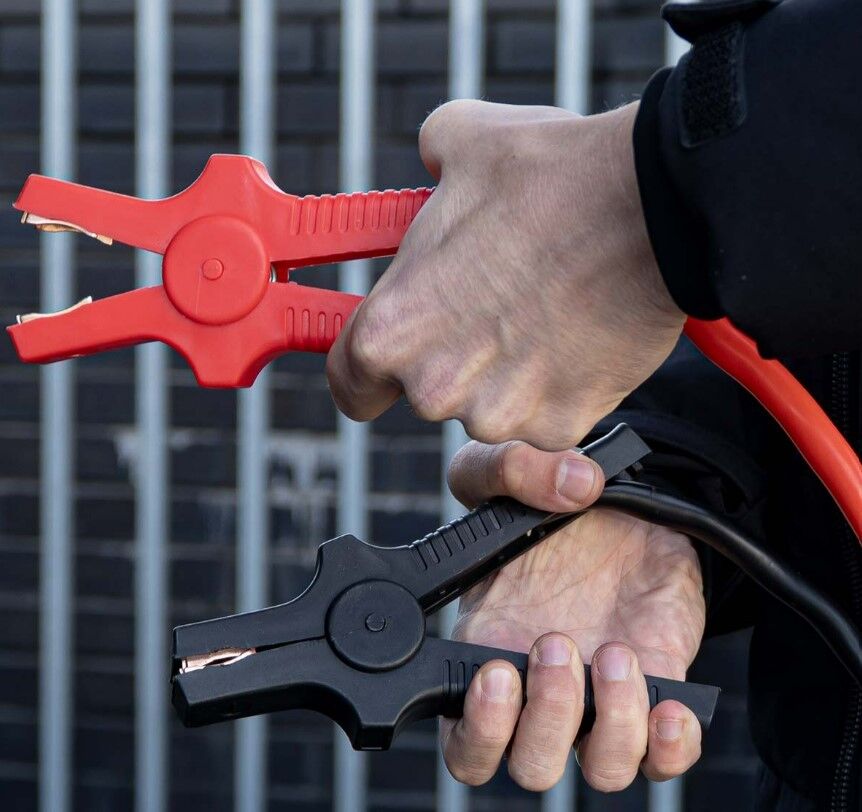
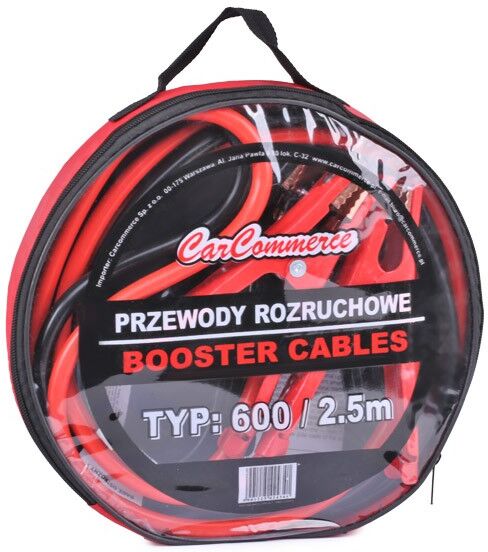
CARCOMMERCE 42434 Jumper cablesCurrent carrying capacity [A]: 600; Cable Colour: red/black; Peak Current [A]: 600; Current Strength to [A]: 600; Vehicle type: Passenger cars; Material: Copper; Length [m]: 2.5; suited for engine type: Diesel, Petrol Engine; Supplementary Article / Supplementary Info Info 2: with overvoltage protection12,49 £*Shipping: 8,45 £Secure redirect to the provider
-
AMiO 01435 Jumper cablesPeak Current [A]: 1000; Packaging: Plastic case; Quantity: 2; Insulated: ; Colour: red, black; Current Strength to [A]: 1000; Vehicle type: Passenger cars, Trucks; Material: Aluminium; Length [m]: 6; suited for engine type: Diesel, Petrol Engine; Supplementary Article / Supplementary Info Info 2: with overvoltage protection25,49 £*Shipping: 8,45 £Secure redirect to the provider
-
AMiO 01436 Jumper cablesPeak Current [A]: 1200; Packaging: Plastic case; Quantity: 2; Insulated: ; Colour: red, black; Current Strength to [A]: 1200; Vehicle type: Passenger cars, Trucks; Material: Aluminium; Length [m]: 6; suited for engine type: Diesel, Petrol Engine; Supplementary Article / Supplementary Info Info 2: with overvoltage protection27,49 £*Shipping: 8,45 £Secure redirect to the provider


-
Can the direct current cross-section be distributed across multiple cables?
Yes, direct current can be distributed across multiple cables. By connecting multiple cables in parallel, the total current can be divided among the cables, allowing for the distribution of the direct current across them. This method is commonly used in electrical systems to ensure that the current is evenly distributed and to prevent overloading of individual cables. **
-
How do I determine the polarity of cables in direct current?
To determine the polarity of cables in direct current, you can use a multimeter set to the DC voltage setting. Connect the red probe to the positive terminal of the cable and the black probe to the negative terminal. If the multimeter shows a positive reading, then the red probe is connected to the positive terminal. If the reading is negative, then the red probe is connected to the negative terminal. This method helps you identify the polarity of the cables accurately. **
-
Can high-voltage direct current be converted into low-voltage direct current?
Yes, high-voltage direct current (HVDC) can be converted into low-voltage direct current (LVDC) using a device called a voltage converter or transformer. These devices can step down the voltage level of the DC power to a lower level suitable for specific applications. This conversion process is commonly used in various industries and applications where different voltage levels are required for different devices or systems. **
-
Why are high voltage cables so thin?
High voltage cables are thin because the high voltage they carry creates a strong electric field around the cable. Thinner cables reduce the amount of insulation needed to contain the electric field, making them more efficient and cost-effective. Additionally, thinner cables are lighter and easier to handle, making installation and maintenance easier. Finally, thinner cables also reduce the amount of material needed, making them more environmentally friendly. **


How can high-voltage cables be secured?
High-voltage cables can be secured using a variety of methods. One common way is to use cable clamps or brackets to fasten the cables to a structure such as a pole or a wall. Additionally, cable trays or cable ladders can be used to support and secure the cables along their route. It is important to ensure that the cables are properly supported and insulated to prevent any damage or safety hazards. Finally, regular inspections and maintenance should be conducted to ensure that the cables remain secure and in good condition. **
Do you need thicker cables for direct current than for alternating current?
No, you do not necessarily need thicker cables for direct current (DC) than for alternating current (AC). The current-carrying capacity of a cable is determined by factors such as the material, size, and insulation of the cable, as well as the voltage and current being carried. Both DC and AC have their own unique considerations when it comes to cable sizing, but the need for thicker cables is not inherently tied to the type of current being carried. It ultimately depends on the specific requirements of the electrical system and the application. **
Top-Angebote
Products related to Cables-Direct-10m-High:
-
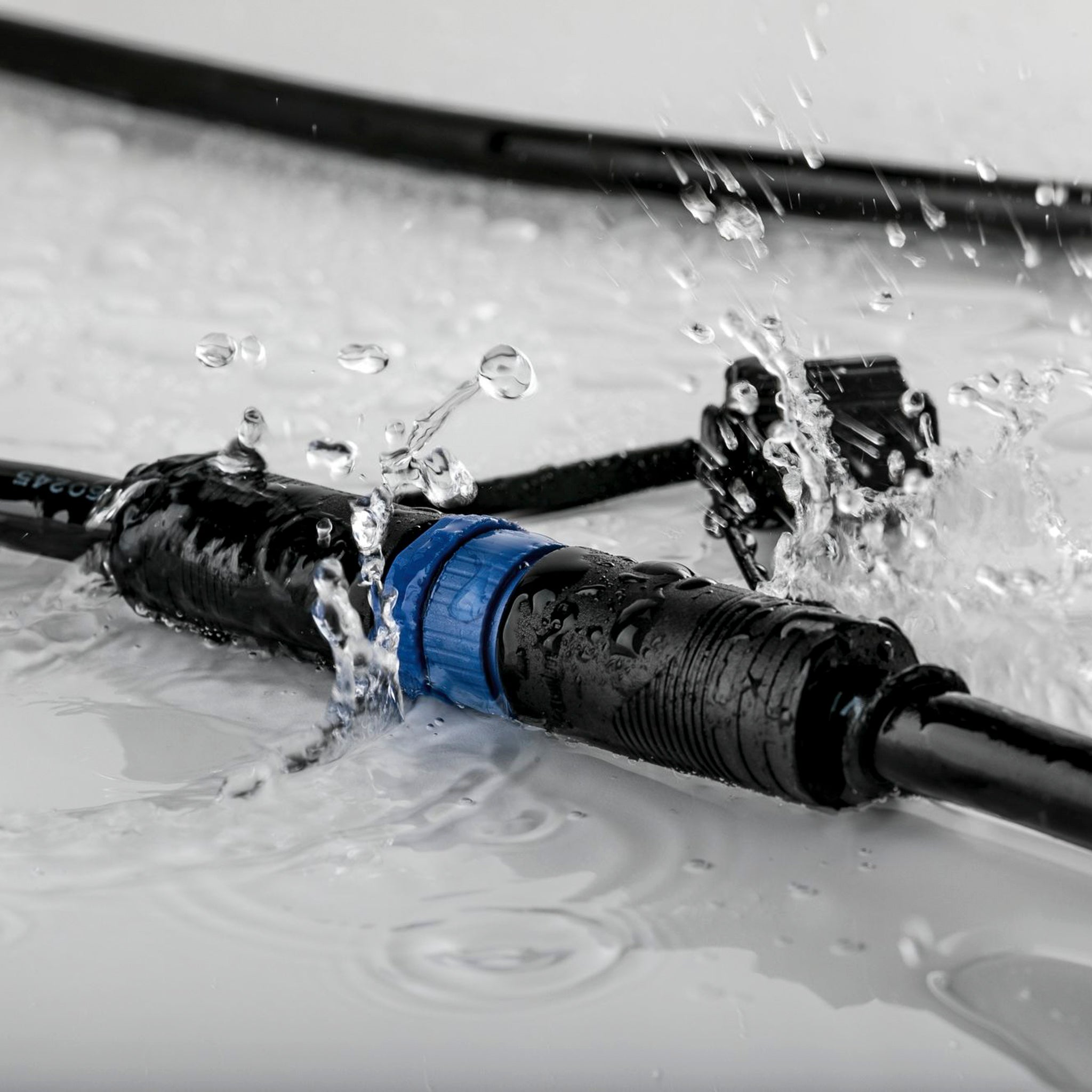
Paulmann - Plug & Shine Outdoor 10m Cables with 2 Outputs in BlackThe Plug & Shine connecting cable bridges distances of up to ten metres and enables the connection of two extra luminaires or additional accessories. Unused connection ports can be sealed with the cover caps provided to guarantee the IP68 immersion protection. Combined with luminaires and transformers in the Plug & Shine series, they illuminate your outdoor spaces according to your personal preferences: from house walls or patios, through to garden paths and plants.65,00 £*Shipping: 0,00 £Secure redirect to the provider
-
Paulmann - Plug & Shine Outdoor 10m Cables with 5 Outputs in BlackThe Plug & Shine connecting cable bridges distances of up to ten metres and enables the connection of five extra luminaires or additional accessories. Unused connection ports can be sealed with the cover caps provided to guarantee the IP68 immersion protection. Combined with luminaires and transformers in the Plug & Shine series, they illuminate your outdoor spaces according to your personal preferences: from house walls or patios, through to garden paths and plants.75,00 £*Shipping: 0,00 £Secure redirect to the provider
-
CARCOMMERCE 42434 Jumper cablesCurrent carrying capacity [A]: 600; Cable Colour: red/black; Peak Current [A]: 600; Current Strength to [A]: 600; Vehicle type: Passenger cars; Material: Copper; Length [m]: 2.5; suited for engine type: Diesel, Petrol Engine; Supplementary Article / Supplementary Info Info 2: with overvoltage protection12,49 £*Shipping: 8,45 £Secure redirect to the provider
-
What is direct collaboration?
Direct collaboration refers to the process of individuals or groups working together in a coordinated and interactive manner to achieve a common goal. This involves open communication, sharing of ideas, and mutual support to accomplish tasks or solve problems. Direct collaboration often leads to more efficient and effective outcomes as it allows for real-time feedback and the pooling of diverse perspectives and expertise. This type of collaboration can occur within a team, between different departments, or even across organizations. **
-
How are high-voltage cables distributed?
High-voltage cables are distributed through a network of transmission lines and substations. The transmission lines carry the electricity over long distances from power plants to substations, where the voltage is then stepped down for distribution to homes and businesses. The cables are typically installed on tall transmission towers or underground to minimize interference and maximize efficiency. The distribution network is carefully planned and maintained to ensure reliable and safe delivery of electricity to consumers. **
-
Can the direct current cross-section be distributed across multiple cables?
Yes, direct current can be distributed across multiple cables. By connecting multiple cables in parallel, the total current can be divided among the cables, allowing for the distribution of the direct current across them. This method is commonly used in electrical systems to ensure that the current is evenly distributed and to prevent overloading of individual cables. **
-
How do I determine the polarity of cables in direct current?
To determine the polarity of cables in direct current, you can use a multimeter set to the DC voltage setting. Connect the red probe to the positive terminal of the cable and the black probe to the negative terminal. If the multimeter shows a positive reading, then the red probe is connected to the positive terminal. If the reading is negative, then the red probe is connected to the negative terminal. This method helps you identify the polarity of the cables accurately. **
Similar search terms for Cables-Direct-10m-High
-
AMiO 01435 Jumper cablesPeak Current [A]: 1000; Packaging: Plastic case; Quantity: 2; Insulated: ; Colour: red, black; Current Strength to [A]: 1000; Vehicle type: Passenger cars, Trucks; Material: Aluminium; Length [m]: 6; suited for engine type: Diesel, Petrol Engine; Supplementary Article / Supplementary Info Info 2: with overvoltage protection25,49 £*Shipping: 8,45 £Secure redirect to the provider
-
AMiO 01436 Jumper cablesPeak Current [A]: 1200; Packaging: Plastic case; Quantity: 2; Insulated: ; Colour: red, black; Current Strength to [A]: 1200; Vehicle type: Passenger cars, Trucks; Material: Aluminium; Length [m]: 6; suited for engine type: Diesel, Petrol Engine; Supplementary Article / Supplementary Info Info 2: with overvoltage protection27,49 £*Shipping: 8,45 £Secure redirect to the provider
-
XL 551030 Jumper cablesLength [m]: 2.5; Material: Copper; for petrol engines to capacity [ccm]: 1500; Insulated: ; Supplementary Article / Supplementary Info Info 2: with storage bag, with overvoltage protection; Vehicle type: Passenger cars; Cable Cross Section [mm²]: 10; suited for engine type: Petrol Engine33,49 £*Shipping: 8,45 £Secure redirect to the provider
-
Can high-voltage direct current be converted into low-voltage direct current?
Yes, high-voltage direct current (HVDC) can be converted into low-voltage direct current (LVDC) using a device called a voltage converter or transformer. These devices can step down the voltage level of the DC power to a lower level suitable for specific applications. This conversion process is commonly used in various industries and applications where different voltage levels are required for different devices or systems. **
-
Why are high voltage cables so thin?
High voltage cables are thin because the high voltage they carry creates a strong electric field around the cable. Thinner cables reduce the amount of insulation needed to contain the electric field, making them more efficient and cost-effective. Additionally, thinner cables are lighter and easier to handle, making installation and maintenance easier. Finally, thinner cables also reduce the amount of material needed, making them more environmentally friendly. **
-
How can high-voltage cables be secured?
High-voltage cables can be secured using a variety of methods. One common way is to use cable clamps or brackets to fasten the cables to a structure such as a pole or a wall. Additionally, cable trays or cable ladders can be used to support and secure the cables along their route. It is important to ensure that the cables are properly supported and insulated to prevent any damage or safety hazards. Finally, regular inspections and maintenance should be conducted to ensure that the cables remain secure and in good condition. **
-
Do you need thicker cables for direct current than for alternating current?
No, you do not necessarily need thicker cables for direct current (DC) than for alternating current (AC). The current-carrying capacity of a cable is determined by factors such as the material, size, and insulation of the cable, as well as the voltage and current being carried. Both DC and AC have their own unique considerations when it comes to cable sizing, but the need for thicker cables is not inherently tied to the type of current being carried. It ultimately depends on the specific requirements of the electrical system and the application. **
* All prices are inclusive of VAT and, if applicable, plus shipping costs. The offer information is based on the details provided by the respective shop and is updated through automated processes. Real-time updates do not occur, so deviations can occur in individual cases. ** Note: Parts of this content were created by AI.